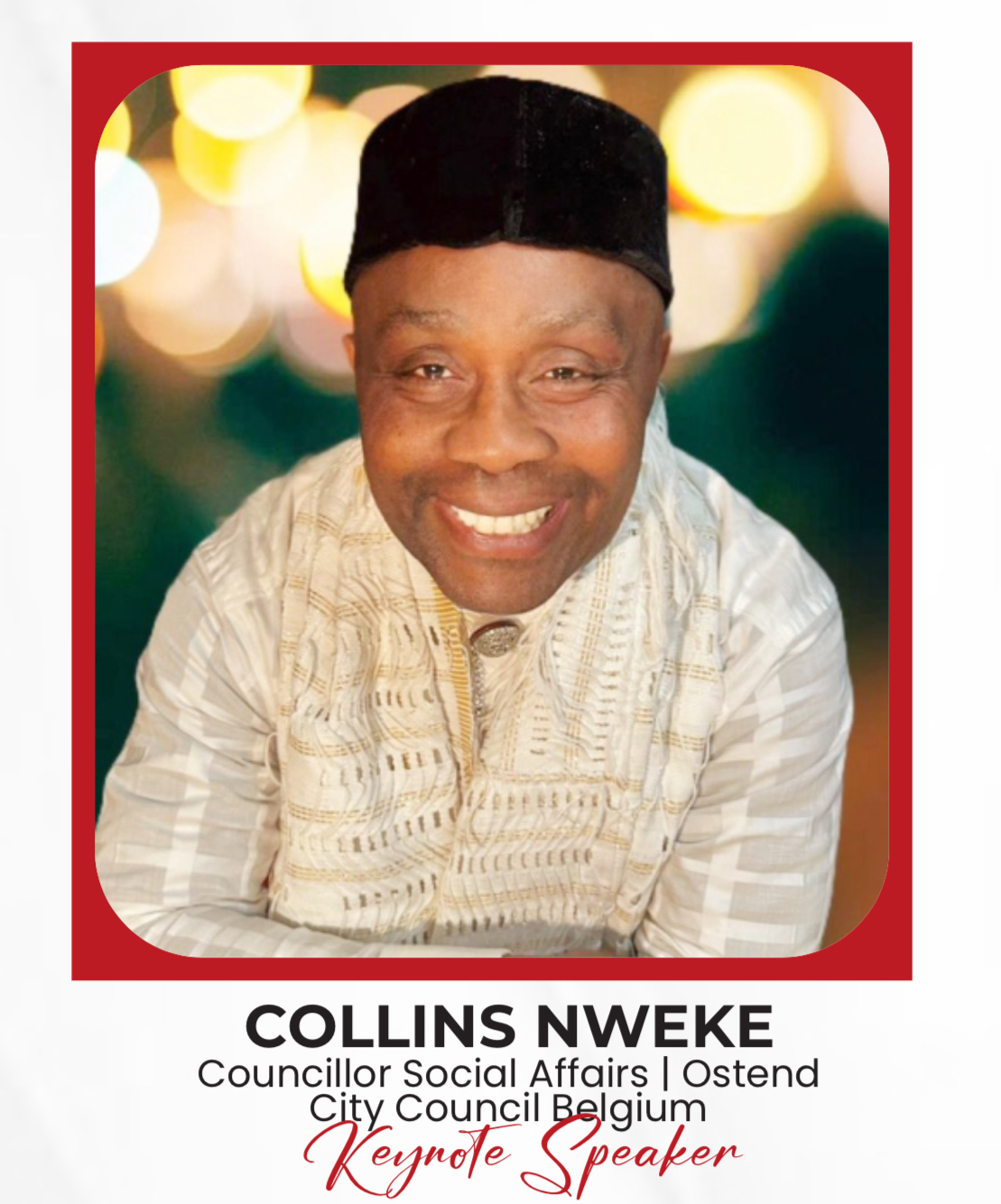
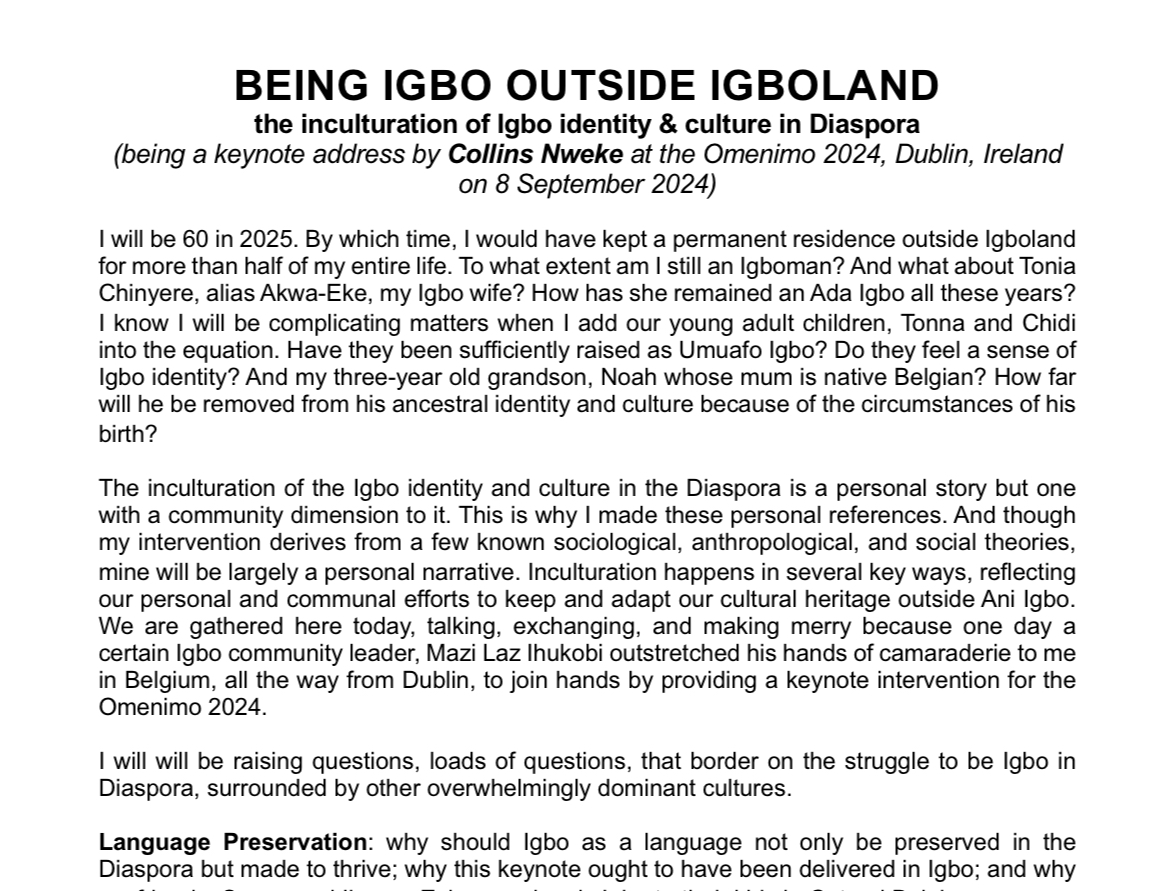
I’ve never had to give a public talk about being Igbo. That will change on Sunday 8 September when I will be keynoting Omenaimo ImoDay 2024 in Dublin Ireland.
I’d be deploying some personal narratives and some social theories in a storytelling format to try to do justice to the topic of #inculturation #identity #culture #interculture. Here is a pretaste of what #Umuimo #Ndigbo and #Nigerians in Ireland 🇮🇪 can expect from me:
When Mazi Utuagbaigwe insisted that he is not giving Adaeze’s hands in marriage to his Belgian son-in-law, if he does not perform the Igba Nkwu rites, was he being insensitive to the culture of his host country or being chauvinistic? Can it be judiciously argued that inviting his in-laws to negotiate his daughter’s bride price is an affront to European laws and culture? And what about his rebuke to his daughter and her husband that among the Igbos, marriage is an affair for both the immediate and extended family and he cannot have any of them question whoever he decides to identify as that extended family? What about tutoring his son-in-law that under no circumstances should he even think of calling him or his Lolo by their first names, he must call them what he hears Adaeze calls them! How does any of these strongly held positions hamper integration into their host community in Europe?
In this extensive duo conversation, Secretary General of CBL-ACP Chamber of Commerce, Thomas De Beule and I were engaged by journalist Stephen Imediegwu of RadioNow FM Lagos. Within the framework of a mission to Nigeria to unveil and promote the 2nd Nigeria Belgium Luxembourg Business Forum, holding in Brussels, Belgium on 18 – 20 September 2024, we sought to speak to the notion of Oil been a dead commodity.
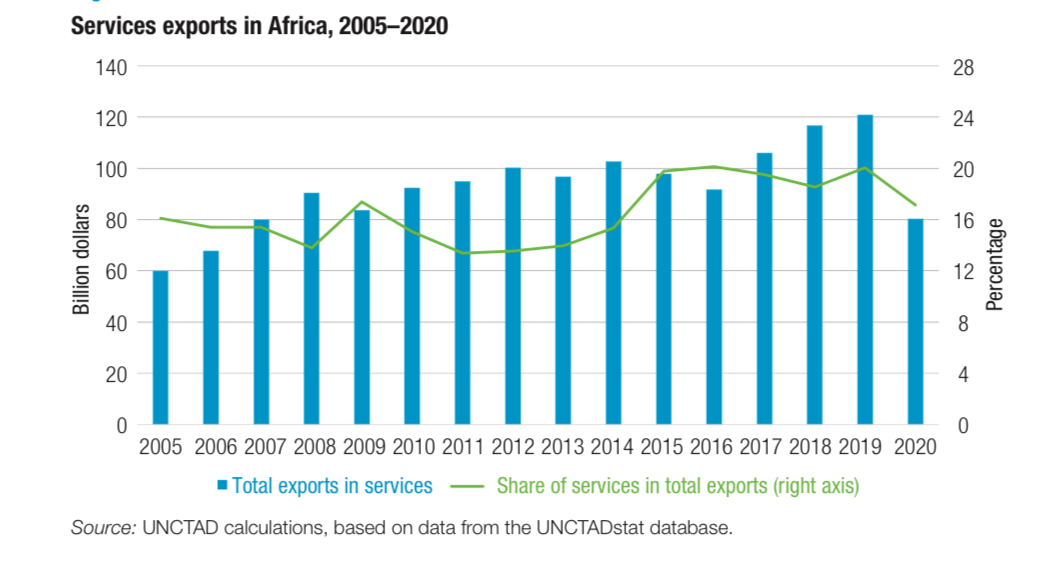
In this conversation with TVC Breakfast anchored on my policy recommendation for an organised service export for Nigeria, I highlighted the Diaspora component of Nigeria’s current Renewed 4D Foreign Policy doctrine as providing the required framework.
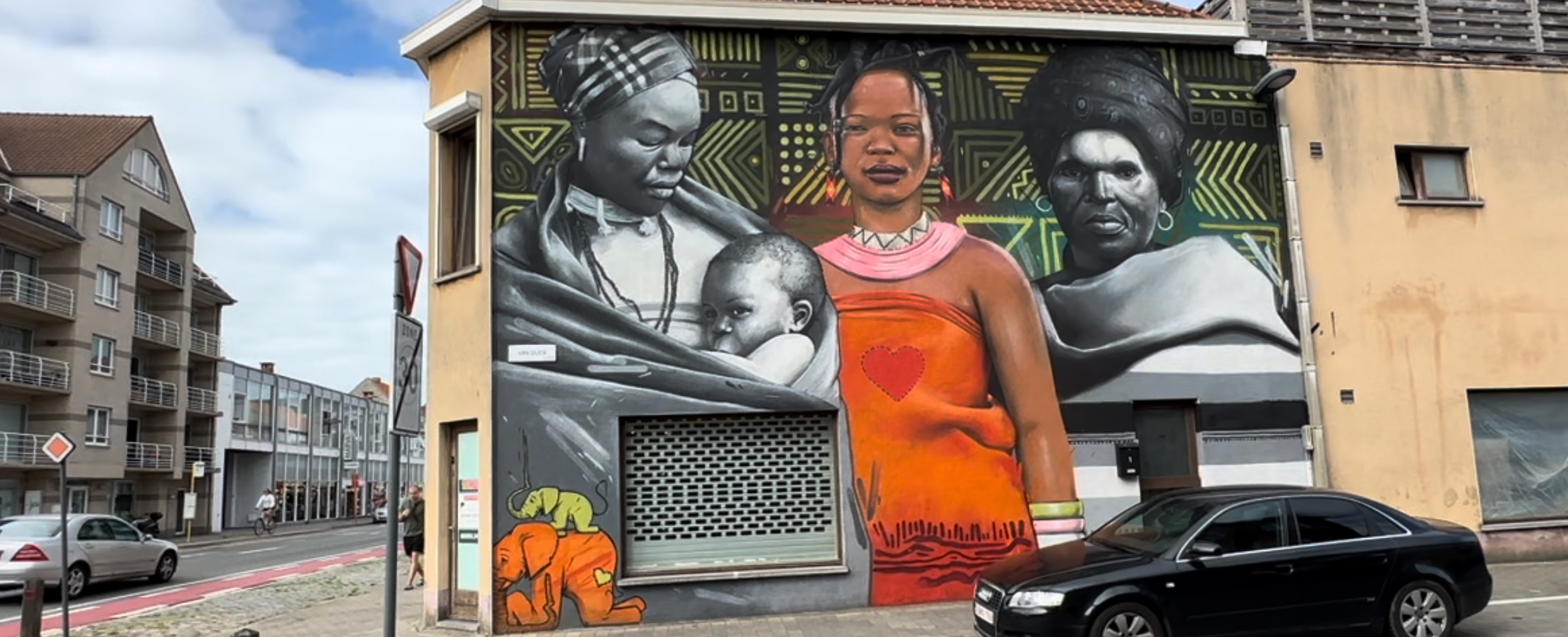
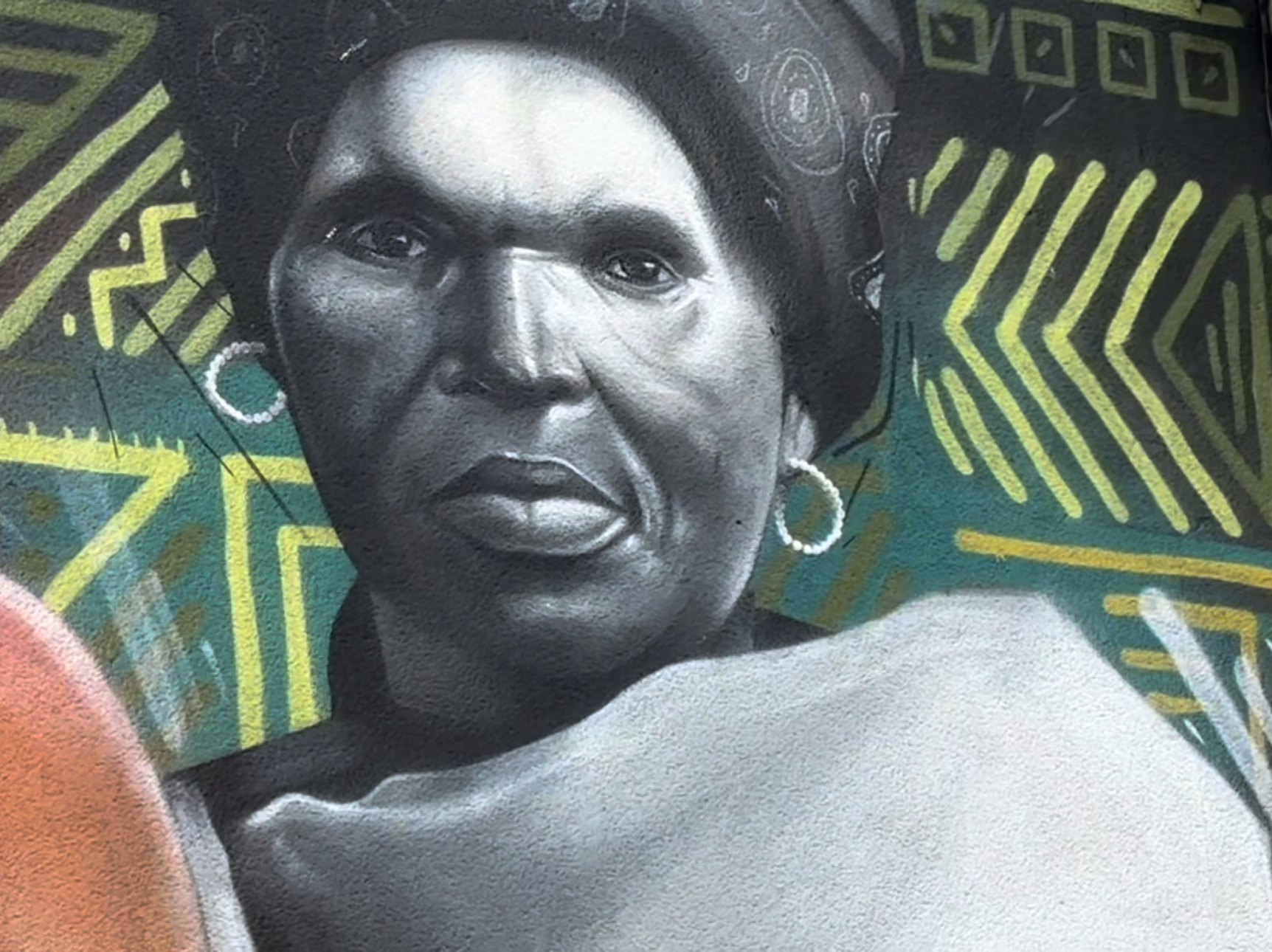
Street Art is defining and redefining contemporary communities around the world. Of the diverse use Fine Artists are putting the art form to, the ones that appeal to me the most are cultural-identity expression and social-political commentaries or activism if you like.
When Tonia and I migrated out of Nigeria and made Ostend, Belgium our new home, Africans, and non-Belgians in general, were barely seen nor heard in everything and everywhere. But all that have gradually and incrementally been changing. This is to our delight because the moment the kids started arriving, we realised that they did not ask to be born here. We brought them into the world here. This is their natural home. If we were going to simply sit back and lament about the lack of intercultural awareness, not to talk of racism, and do nothing to change beliefs, they would grow up here and meet the same situation that we met. Is that not a parental failure in some ways?
When we signed up as volunteers and joined Réginald Moreels to form Ostend’s first interracial community organisation, Jakoeboe vzw, of which I went on to become its founding President, it was an intentional decision. Our message was: let us bring cultures together, to get to know one another better, communicate and relate better. When I took up a course of study of Management in the Social Economy and focused my research on the use of cultural products as means to tackle cultural conflicts, for intercultural cohesion building, again it was an intentional decision that culminated in the establishment of the Exotic Kitchen. This was a project under The Global Village, that served as Ostend’s first intercultural centre with fusion kitchen & catering, manned by the new Belgians who had made Ostend their new home. All of these in a social profit context.
The Exotic Kitchen became a home for that lonely migrant with passion for culinary art but no avenue to express it beyond his or her tiny family unit, if there is a family. They could cook their national dishes and curious Ostenders could discover and enjoy these new meals and get to have conversations with the cook about their country, people, culture, life in Belgium, you name it. And gradually walls of fear are being broken down and bonds of friendships replacing them.
I am not saying that we are where we ought to be, but we are on the right path in recognising that inter-culturality is our reality of today. If anything, our cities will get more, not less culturally diverse than in the coming years. We can choose to be in denial of this inevitability or accept it and figure out ways to manage our city’s interplay of cultures effectively and efficiently.
Some of us that are more courageous and daring but not necessarily more intelligent than our forebears, again made the intentional decision to embrace politics as a tool to register our presence, get our voices heard, accentuate the things that are working well while working from policy and project angle, to change the wrong beliefs and sometimes outright racism. Those massages resonated with many hence when I joined party politics almost 18 years ago and told the voters that together with them, I would work to manage the intercultural reality facing us, they believed me, and I got elected.
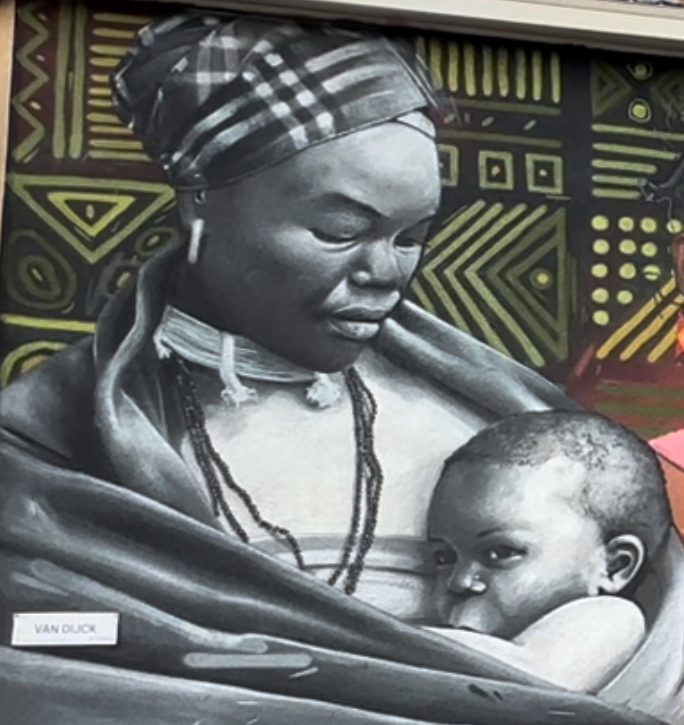
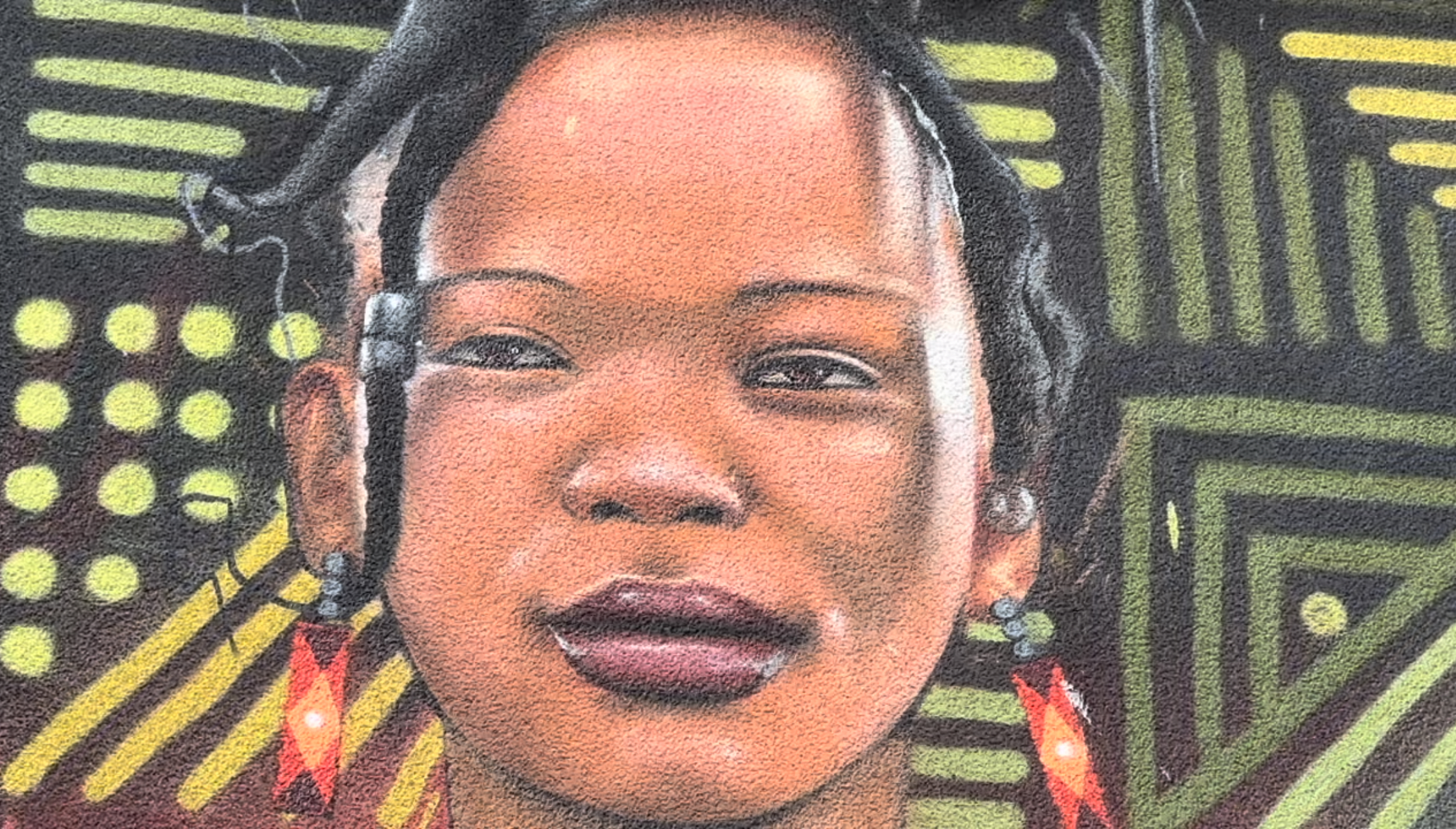
When I spot Street Arts that identify with and give expression to Cultural Diversity and Identity, they give me optimism that we are not going back to the dark times of denialism of our intercultural reality. The Street Arts are reflecting the cultural and social identity of Ostend. These Fine Artists use this art form to celebrate local heritage, commemorate events, and honour significant figures or landmarks.
Some make in unique ways, some compelling social and political commentaries with their Street Art, expressing implied political opinions sometimes to Far-Right elements that we should all be in it together. In many ways, the Street Artists are equally about community engagement and empowerment. Their projects often involve collaboration with local communities, fostering a sense of ownership and pride. Community-driven art projects do engage youth and marginalised groups, providing them with a creative outlet and a voice.
I have no idea who the Street Artist is whose work has caught my fancy. And he did not sign it off, except I missed it. But he spoke to me from different dimensions. His painting of three African women and a child plays a multifaceted role. To me it serves as a vehicle for cultural expression, social commentary, adds to urban renewal of our beautiful Ostend, and it engages our diverse communities. The impact of Street Art goes beyond mere aesthetics. We are in dialogue now because it fostered the dialogue. Above all Street Arts are transforming our public spaces into vibrant cultural hubs.
Recently I discovered a young man, in his early twenties, based in Owerri, Southeast Nigeria. A graphics designer by passion and later by training, he is the reason I and my Associates no longer use suppliers of graphics that we have retained here in Europe for many years. You’d think that my European suppliers will be mad at me for the decision. No, they are not. As a matter of fact, the Owerri young man has equally become a subcontractor to them. When they have excess assignment or when express delivery is required, they either call Owerri or my other supplier that I call my Igbuzo Homeboy. This examplifies the saying in circular economic theory that Businesses can Collaborate rather than Compete. This way, every player becomes a winner.
Welcome to the beauty and strength of the new economy, the service economy. More than anything else in all the conversations around diversification of the Nigerian economy away from oil dependency, Service Export is a low hanging fruit. Not commodities, not solid minerals, not agricultural products. It is about the sale and delivery of intangible products, from the remotest enclave in Nigeria to just about any metropolis in the world. All transacted via WhatsApp, not some other sophisticated gadgets requiring huge startup capital, dependent on an elusive and declining energy supply and other bottlenecks.
The further good news is that the playing field is broad enough to accommodate both the big and the small. Here a brief paintbrush for lack of space. Companies like Globacom, MTN Nigeria, and Airtel provide international telecommunications services, including voice and data transmission, to a global client base. My former employer, UBA and probably every other bank in Nigeria – GTBank, Zenith – offer international banking services, including remittances and cross-border transactions. Nigerian tech companies provide software development, IT support, and other tech services to clients globally. An indigenous company, Andela, trains software developers and connects them with global tech conglomerates. Nollywood, through NETFLIX and the likes, exports films and entertainment content to a global audience, generating revenue from international viewership and distribution deals.
In April during a Lagos and Abuja flag offs of a Business Forum, it was a privilege to interact with many Nigerian consulting firms offering professional advice in oil and gas, agriculture, finance, and management, to international clients. They are joining us in Brussels, Belgium in September at the Nigeria Belgium Luxembourg Business Forum 2024, to expand their frontiers. So too are law firms in Nigeria providing legal services to international clients, particularly in areas related to oil and gas, intellectual property, corporate governance, and commercial law. The list is long and so too are the potentials to grow individuals in Nigeria and in Diaspora and inevitably grow Nigeria’s economy.
The big question is, how do you organise the table? The answer to this could be found in the 2024 Nigeria’s 4D Renewed Foreign Policy Doctrine. The four Ds, which are Democracy, Development, Demography and Diaspora, are conceived to be quadrilateral pillars of a new foreign policy the details of which are yet to be exhaustively articulated and made crystal clear. That one of the capital Ds is Diaspora appears to be an intentional invitation to the Diaspora to give it expression. If it wasn’t, well, the Diaspora should seize the moment to audaciously make it so. The Diaspora needs permission from nobody to organise the table around service export. The opportunities there for individuals, businesses, and organisations are limitless. NIDO as umbrella of Nigerian Diaspora has an opportunity here to lead.
By whatever means possible, the Embassies through the Minister of Foreign Affairs should be gotten to reassert the authorities of Diaspora Desk Officers at the Embassies. Every continental arm of NIDO should appoint a point person on Service Exports culminating in a Global Service Export Working Team to provide strategic direction. If at this point Diaspora Consult, a commercial arm of NIDO is birthed, it just might be that imperative of our time that Nigeria needs in harnessing its Diaspora added value.
Nigeria’s Foreign Minister, H.E. Ambassador Yusuf Maitama Tuggar, offered his perspectives, and the 4D strategic vision for and on the evolving Nigeria-United States partnership.
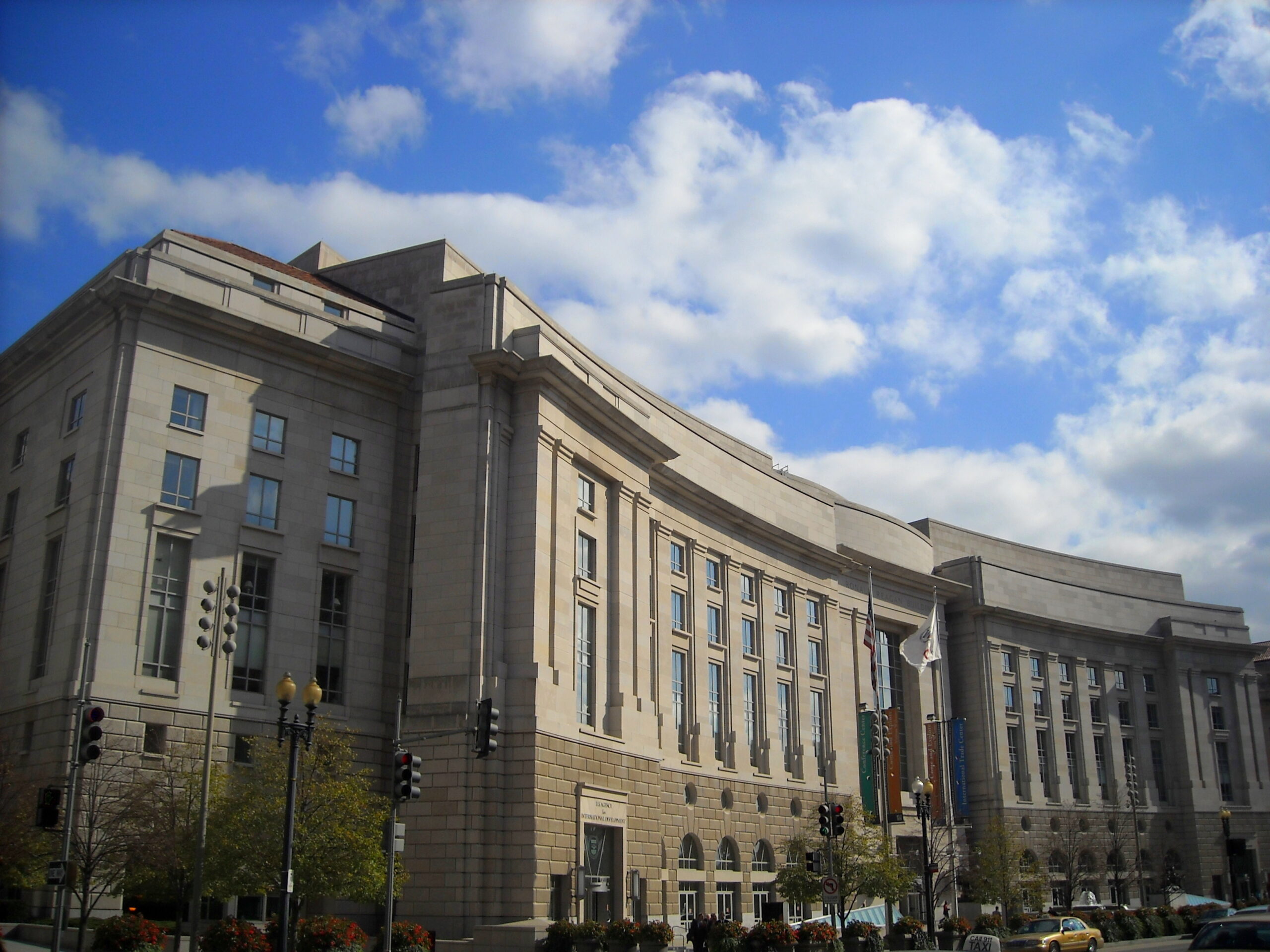
At the Woodrow Wilson Center in Washington DC, Nigeria’s Foreign Minister, H.E. Ambassador Yusuf Maitama Tuggar, offered his perspectives on the evolving Nigeria-United States partnership. The event, “US-Nigeria Partnership in the Changing Global Arena,” drew a distinguished audience comprising diplomatic figures, former US ambassadors to Nigeria, and policy experts. Moderated by Oge Onubogu, Director of the Wilson Center‘s Africa Program, the discussion centered on the multidimensional relationship between the two countries and its broader ramifications for global security and development.
Nigeria’s Strategic Role and Demographic Potential
Minister Tuggar emphasized the historical depth and strength of the US-Nigeria relationship, which dates back to Nigeria’s independence in 1960. Highlighting Nigeria’s role as a regional leader in Africa, he underscored Nigeria’s significant population, with over 200 million people, half of whom are under the age of 30, presenting both challenges and opportunities for the nation and the importance of collaboration in areas such as security, economic development, and democratic governance. The minister’s remarks were timely, coming on the heels of the recently concluded sixth US-Nigeria Binational Commission in Abuja, where both nations reaffirmed their commitment to addressing shared challenges.
The “4D” Agenda: Democracy, Development, Demography, and Diaspora
One of the central themes of Tuggar’s address was Nigeria’s new foreign policy vision, encapsulated in the “4D” agenda: Democracy, Development, Demography, and Diaspora – under President Bola Tinubu. He articulated how these pillars are integral to Nigeria’s strategy to navigate the complexities of the current global landscape.
Emphasizing Nigeria’s commitment to democracy, the minister highlighted the nation’s role in promoting democratic values across the African continent. He noted that Nigeria, with its demographic, is poised to harness the dividend of its growing population to drive sustainable development and economic growth.
On development, Minister Tuggar stressed the importance of infrastructure projects and economic reforms aimed at creating jobs and fostering inclusive growth. He outlined Nigeria’s ambitious infrastructure development plans, including the expansion of broadband cabling, the adoption of 5G technology, and the construction of gas pipelines to leverage Nigeria’s significant gas reserves; noting the importance of trade and investment partnerships with the United States to support these initiatives.
Engaging the Nigeria Diaspora community is a key focus of the administration; whether in terms of investment opportunities or tapping its diaspora human capital. The minister called for greater investment in Nigeria’s vast gas reserves as a transition fuel, which would support industrialization and energy security while also addressing climate change concerns. He spoke about the significance of intellectual property rights in protecting Nigeria’s burgeoning creative industries, which include Nollywood and the Afrobeats music scenes; buttressing the role the music genre has played in putting Nigeria on the global stage.
Security Cooperation and Counterterrorism
Addressing the issue of security, Tuggar acknowledged the challenges posed by terrorism and transnational crime in the West African region. He called for enhanced US-Nigeria cooperation in counterterrorism efforts, including the provision of advanced military equipment and training. The minister also highlighted Nigeria’s commitment to human rights and transparency in its security operations, noting the establishment of a human rights desk within the Nigerian Army.
The conversation also touched on Nigeria’s strategic autonomy in its foreign policy, with Ambassador Tuggar affirming the nation’s non-aligned stance. He stressed the importance of homegrown solutions to African problems and warned against the presence of foreign mercenaries and private military companies in the region. The minister reiterated Nigeria’s opposition to any form of external dominance and called for partnerships that respect Nigeria’s sovereignty and promote mutual benefit.
Internal Security Challenges and International Partnerships
Minister Tuggar also addressed Nigeria’s internal security challenges, particularly the fight against terrorism and insurgency. He highlighted the critical role of international partnerships in providing the necessary weapons, equipment, and technical support to combat these threats effectively. The minister called for a reevaluation of restrictions like the Leahy Law, which prohibits the sale of certain military equipment to Nigeria, arguing that such limitations hinder Nigeria’s ability to address security threats comprehensively.
Israel-Palestine Conflicts and Nigeria’s Stance
A key highlight of the discussion was Nigeria’s stance on global conflicts, such as the Israel-Palestine crisis and the ongoing war in Ukraine. Minister Tuggar expressed Nigeria’s support for a two-state solution in the Israel-Palestine conflict and reaffirmed the nation’s commitment to upholding principles of sovereignty and territorial integrity in Ukraine.
The event marked Minister Tuggar’s first official visit to Washington, D.C., and he expressed optimism about the future of US-Nigeria relations.
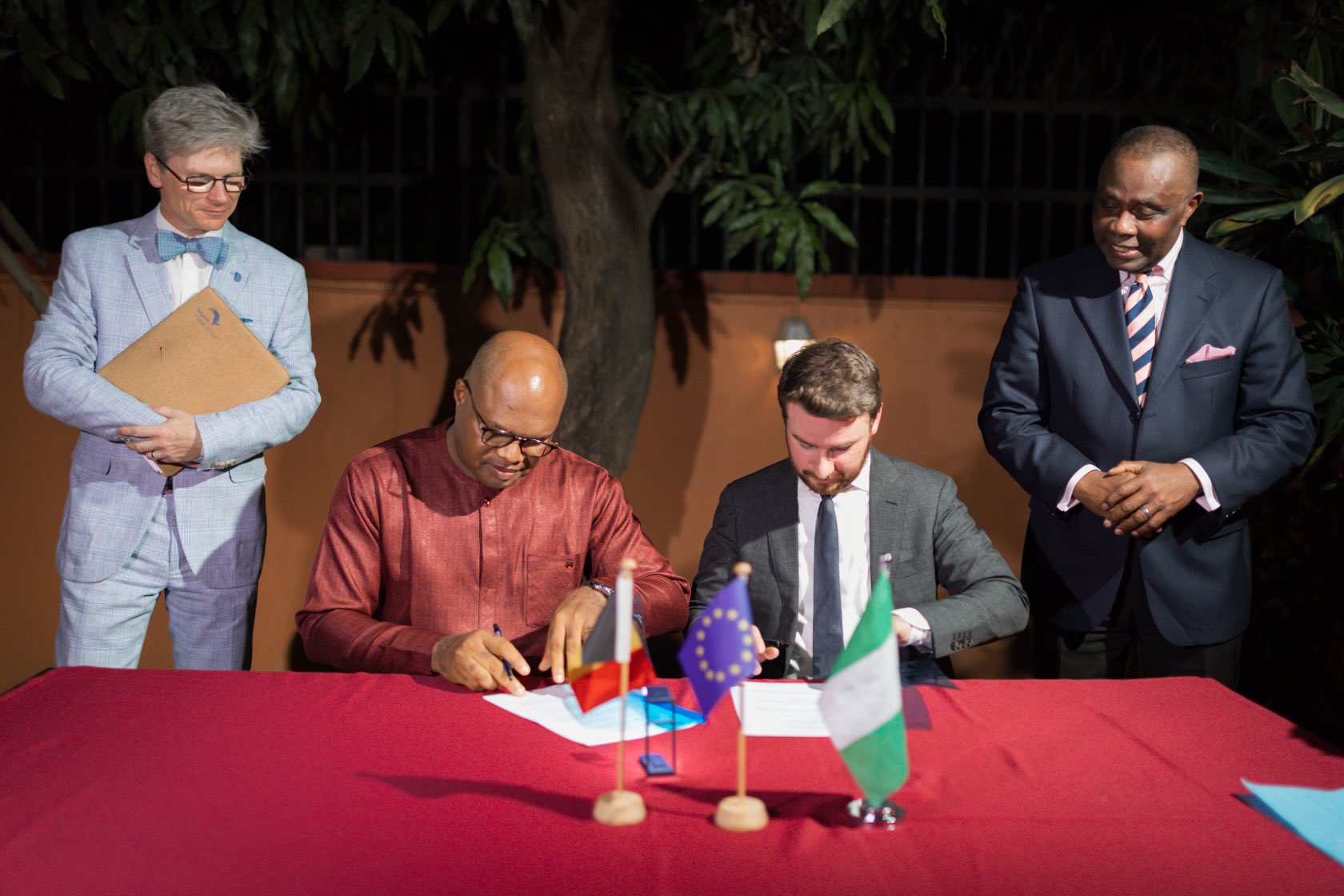
Thomas De Beule, Sec-Gen CBL-ACP Brussels signs MoU with Jideani Agabaidu, D-G ACCI Abuja, witnessed by Amb. Pieter Leenbregt, Belgian Embassy Abuja & Collins Nweke, Nigeria Belgium Luxembourg Business Forum… in Abuja Nigeria on Thursday 25 April 2024
There is much more than meets the eye at first sight, and our trade statistics are not telling the whole story. What is Belgium doing in and for Nigeria? Two fresh stories from the last two months provide excellent examples of it. – Amb. Pieter Leenbregt
Full text of: WELCOME REMARKS BY HIS EXCELLENCY AMBASSADOR PIETER LEENBREGT AT THE ABUJA BUSINESS RECEPTION TO UNVEIL THE 2024 NIGERIA BELGIUM LUXEMBOURG BUSINESS FORUM
Your Excellency Uba Maigari Ahmadu, Honorable Minister of State for Steel Development,
Honorable Adamu Saba, Chairman of the Parliamentary Friendship Group Nigeria-Belgium at the National Assembly,
Honorable Members of the same Friendship Group,
Honorable Tochukwu Okere, Chairman of the House Committee on Diaspora Affairs at the National Assembly,
Excellencies, Colleagues members of the diplomatic corps,
Dear businesspeople,
Esteemed members of the press corps,
Ladies and gentlemen,
The Belgian Embassy in Nigeria warmly welcomes the representatives of the Chamber of Commerce between Belgium, Luxembourg and the African, Caribbean and Pacific countries – CBL ACP – and its partners and sponsors for tonight.
We rejoice in the prospect of a Nigeria Belgium Luxembourg Business Forum to be held from 18 to 20 September in Brussels and will gladly hear out Thomas De Beule about the CBL ACP plans in that regards. As you may know, Belgium does not only host most of the EU institutions on its soil but is currently also holding the rotating presidency of the EU Council, until end of June this year. This means lots of additional VIP travel between Belgium and Nigeria. And it is only befitting that the EU’s Business Forum in Abuja and your Business Forum focused on Nigeria in Brussels are organized with only the summer holidays in between them both – almost back-to-back, one could say.
We were always very enchanted with the strong business focus in the work of the immediate past Nigerian ambassador Obinna Onowu in Brussels and are hopeful that his successor will put an equal emphasis on it. From the point of view of our Embassy, too, things are crystal-clear in this regard: Nigeria is not so much a partner country for development cooperation as so many other ones in the sub-region; it is a middle-income country open for and eager to do business.
There is much more than meets the eye at first sight, and our trade statistics are not telling the whole story. What is Belgium doing in and for Nigeria? Two fresh stories from the last two months provide excellent examples of it.
One month before the EU and Nigeria signed a deal worth 18 million euro to boost vaccines production in Nigeria, and in the sidelines of a Ministerial level event on Health Sovereignty in Africa organized by the Belgian EU presidency in the Egmont Palace in Brussels, the Belgian company Univercells signed a Memorandum of Understanding with the Minister of Health, HE Muhammad Ali Pate. Their ultimate goal is to save more lives and provide affordable healthcare for all Nigerians. An ensuing action plan will now focus on the production in Nigeria of MRNA type vaccines against Lassa fever, and on training local capacity. Developing MRNA vaccines in Nigeria was mentioned by Minister for Foreign Affairs Tuggar as one of the six big priority areas in the collaboration between Europe and Nigeria – and a Belgian SME knows how to unpack this. With revolutionary business practices and scientific methods, they also know how to bring down the dimensions of a production facility from a classic big factory building to something the size of a classroom.
Example number two, now: two weeks after the EU and Nigeria celebrated Zero Waste Day together in Abuja, we received word that a Brussels-based company, Haemers Technologies, was identified by HYPREP, the Nigerian agency in charge of remediation for the oil pollution in the Niger Delta, as the ideal partner to be part of the clean-up there. With its thermal desorption techniques, Haemers Technologies also caught the attention of the Vietnamese government in combating the harmful effects of Agent Orange dropped by the US army during the war in the sixties and seventies. After a technology tour in three countries, HYPREP and the Nigerian Ministry of the Environment got convinced that the Belgian SME can enable them to “deploy the best innovative technology that can be found globally”.
If all goes smoothly, a contract will be signed in a matter of weeks from now. The clean-up will finally bring justice to the Ogoni people decades after their land got contaminated by oil majors, and after Ken Saro-Wiwa and his friends, during the Sani Abacha dictatorship era, paid with their lives for their engagement to the cause of reparation. It will also implement a UN assessment report on how to deal with the oil spills, more than a decade after it was drafted. And, as in the case of Univercells, training local people and transferring knowledge and technology will be central to Haemers’ endeavors.
On a more business-to-business level, we welcomed in Lagos in late January a very self-organized, compact trade mission of eight Belgian companies around Vyncke, specialized in waste solutions, renewable energy generation, water treatment and food storage and processing. May many more of them find the way to Nigeria.
Meanwhile, after the Covid lull, the activity of various relevant Chambers of Commerce has notably picked up again between our countries. Both Eurocham and the Nigerian Belgian Chamber of Commerce are programming interesting activities this year and are keeping a listening ear to the needs of our actual and potential investors and innovators in Nigeria. And right here, this evening, the Belgian-Luxembourg-ACP Chamber will sign an MoU with the Abuja Chamber of Commerce and Industry. We are looking forward to ever more such engagements and interactions.
During the past three days, Brussels hosted the World Cocoa Conference, and an exchange of expertise between government experts from cocoa producing countries will be organized in the wake of it in June, by our Ministry’s think tank the Egmont Institute. As with the past Conference, Nigerian participants are keenly invited.
To paraphrase both presidents Barack Obama and Bola Tinubu: Belgian companies come to Nigeria with the audacity of renewed hope, and vice versa. Here’s wishing for many hopeful and promising chapters indeed!
In this open letter to the Chairman, House Committee on Diaspora, Hon. Sir Tochukwu Okere, he was charged by Collins Nweke to address the Elephant in the room, which is how he wishes history to remember his Chairmanship.
As you settle into office, Honourable House Committee Chairman, Sir Tochukwu Okere, I note with optimism that you have commenced a consultation round with Diaspora Stakeholders. This can only mean that you have a desire to understand the Diaspora landscape, know the issues and challenges as well as the opportunities and prospects. This is normal approach. But not in Nigeria! Take it from a confirmed source that as basic as this gesture is, those before you have never taken off in this manner. In Nigeria, we are used to commending people for doing the job for which they are paid. I’m sure you don’t want me to do that. Instead let me congratulate you for a start on your new appointment.
I want this note to be as brief as possible. I will therefore be short on details and precise on facts but ready to engage further in areas requiring expatiation. To provide the basis for the dynamics that led us to where we are on Nigerian Diaspora affairs and to where we are going, I will crave your indulgence to precede it with a paintbrush of the Pre-2000 era.
Pre-2000 Era of Nigerian Diaspora Affairs
Historically, the first poll of Nigerian Diaspora left the shores of the country for study purposes. Vast majority returned; a few stayed back for family reasons, including marriage to host country nationals, raising a family, and career related matters. The initial poll of migration out of Nigeria was added to by the civil war induced migration, some forced, others sponsored again for study purposes. Return and remain pattern, post studies was same as the pioneer group. Forced migration linked to military misrule, economic hardship, could be considered as the third wave of Nigerian Diaspora build-up in Europe and the United States. This was underscored by Nigerian exiles, fugitives, refugees and asylum seekers.
The major take away from this Nigerian Diaspora era is that these sojourning citizens were loosely organised along ethnicity, political, and pressure group lines. There was no formal link with the Government of Nigeria. Understandly so because of the low trust level or complete absence of it. The infamous Umaru Dikko London abduction saga explains enough.
Post-2000 Era
Following the return to civil rule after the 1999 elections, there was a realisation of the quantum and quality of Nigerian Diaspora across the globe. A major characteristic of the group is that they were still organised along ethnicity and interests. In itself, not a huge problem except that they were often in competition, not collaboration, with one another. There was also absence of a formal channel of communication with Government. Given the deep division within the Diaspora on how to be formally organised, the touring President-Elect, Chief Olusegun Obasanjo, decided to have series of Millennial Assemblies of Nigerians in the Americas and in Europe on assumption of office. The two main questions to resolve were: should Government adopt / recognise a single existing organisation as the official partner of government on Diaspora affairs or make a clean start with a new entity? The verdict of the Conferences attended by thousands of Nigerians anxious for a reinvigorated engagement with fatherland was overwhelmingly to make a clean start. There lies the birth of Nigerians in Diaspora Organisation (NIDO).
The challenges
The establishment of NIDO quickly threw up a few challenges, some of which are inevitable while others are man-manufactured and therefore avoidable.
For a start, some strong influential, perhaps recalcitrant voices against establishment of NIDO never gave up their opposition, despite the fact that the decision was a democratically and organically taken one. The NIDO opposition group was joined by some early NIDO enthusiasts who could not play the NIDO democratic politics, having gotten used to the partriarchic organising model prevalent in community organisations. They felt more comfortable opting out of NIDO to compete with it. Government officials and political office holders tasked with supporting NIDO or mandated to do so equally have pro-NIDO and anti-NIDO forces.
The most important conclusion to draw at this point is that the best performing Chapters of NIDO are in jurisdictions where there is a supportive Ambassador. Ukraine and later Switzerland come to mind. NIDO is also known to have made the most progress in times when political office holders underwrite the notion of relating with NIDO as the official body and encouraging other groups to collaborate rather than compete with it. We must equally take something away from the fact that the passage of the Act for the establishment of the Nigerians in Diaspora Commission (NIDCOM) into law (a Bill) took place during the 8th Assembly under a House Committee Chairman that honoured without reservation, government policy of establishing a formal channel of communication with the Diaspora through NIDO.
The elephant in the room
I make bold to ask, Honourable Chairman House Committee on Diaspora, how do you wish to be remembered? This question is the elephant in the room. There are two broad options open to you, organisationally and legislatively, if you ask me.
On the organisational side of the ledger, you could have your time in office be associated with an era in Nigerian history that got the Nigerian Diaspora equitably organised. Yes, NIDO is as of today the official representative of the Diaspora but who says that the representation as it is today is cast in concrete and can’t be reviewed and made more wholesome for Nigeria. I’m sure your round of consultations is giving you indications of necessary reforms. Is there a reason your time in office can’t be credited with transparently organising the Diaspora table boldly and audaciously? Yours must be an era when a political office holder is a Diaspora galvaniser rather than a champion of divide and rule. Your era could be one that sees an organised Diaspora population not as a threat to your personal ambitions but a value adding asset to Nigeria.
On the legislative side of the ledger, history beckons you my Honourable Chairman House Committee on Diaspora to end the current impunity and rascality whereby the Bill establishing the Nigerians in Diaspora Commission stipulates that there shall be a Board with 12 Diaspora members yet four years since its establishment, no such Board exists. Maintaining a cordial working relationship with NIDCOM is absolutely desirable for your Committee but so too is a good relationship with the target group of the policy you are meant to provide oversight for. You must resist any attempt by any side of these entities to pitch you against the other. You need no permission from NIDO to relate with NIDCOM and vice versa. Your independence of mind and thought in the execution of your oversight function will be critical to your success as Chairman House Committee on Diaspora.
Still on the legislative plank, I am aware that most people anchor their arguments for Diaspora Voting on the US$23 Billion (on the average) of annual Diaspora Remittances. While this is substantial, Diaspora remittance remains today a welfare, consumption capital. As House Chair you can change that into investment capital through bonds, infrastructure investment fund, and so forth. Beyond that, I happen to believe that the strongest argument for Diaspora Voting is that not making it happen is antithetical to democracy, if not an affront to the rule of law. Making it happen will equally help to unlock the hidden potentials for accelerating national development of Nigeria using the assets that the Diaspora brings to the table. Above all, history will have your name and those of your House Committee members engraved in gold if the 10th Assembly by your intentional leadership makes Diaspora Voting a reality.
Collins Nweke was Chief Executive of Nigerian Diaspora Organisation Europe prior to serving as Board Chairman 2011 – 2013. A current third term Green Municipal Legislator for Social Affairs at the Ostend City Council, Belgium, he is an Opinion Maker columnist of The Brussels Times and Foreign Policy Commentator / Global Affairs Analyst with a host of Afrocentric media houses. A Fellow & Vice President of the International Association of Research Scholars & Administrators, Collins is also a Fellow of the Chartered Institute of Public Management of Nigeria.
If so, chances are you’ve run into populist protests – a challenging fixture of democracies the world over.
Sometimes these protests emerge from movements that are clearly anti-democratic. But others are sparked by groups who are just interested in achieving their partisan agendas. Recognizing this distinction is crucial for developing effective responses to both kinds of protests.
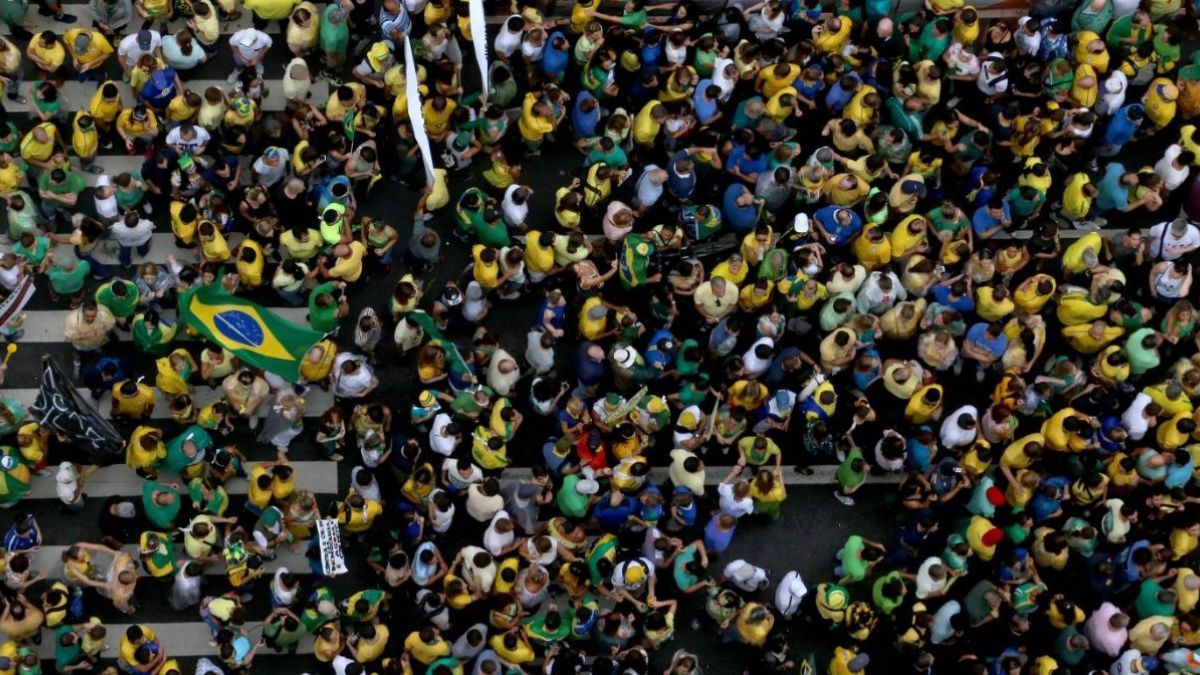
That’s one finding from our newest study, which took GPPi’s Melissa Li to São Paulo. She interviewed researchers, populist activists, and staff members of international organizations who were active in Brazil over the last decade. During this period, right-wing populist protest groups mobilized millions, helping to impeach one president (Dilma Rousseff) and elect another (Jair Bolsonaro).
Yet despite their leverage and visibility, these groups operated largely unchecked – at least by the efforts of democracy promoters. Why was that?
For one, external actors were wary of interfering in domestic politics on behalf of Brazil’s democracy. And their progressive civil society partners on the ground were uniformly opposed to dialogue with the populist protest groups, even when some of them later turned on Bolsonaro. So democracy promoters felt their hands were tied.
To be sure, they faced significant challenges – but Melissa also found there were other strategic options worth considering. She details four of them, which range from engagement to containment approaches: cooperation; conversation; ignoring; and marginalizing.
Each approach comes with its own benefits and drawbacks, which democracy promoters will have to weigh for their own contexts. With this in mind, Melissa recommends these steps:
1. Develop analytical tools to mitigate biases in how you assess populist protest groups.This is the key to identifying which groups are relatively moderate and which are extreme. In Brazil, democracy promoters found their judgment clouded by their own political leanings, and did not distinguish between groups pursuing a constitutionally-defined process and others demanding a military intervention.
2. Engage with moderate populist protest groups and contain extreme ones. This rule of thumb also applies within groups, not just between them. For engagement to work, the groups themselves must be open to dialogue. As was the case in Brazil, some populist protest group members may already be part of democracy promoters’ networks – and serve as good first points of contact.
3. Establish a network of politically diverse democracy promoters and prioritize defending democracy. When democracy is under attack, democracy promoters must come together. If the populist protest groups are far on the right, like in Brazil, an independent or conservative organization will be best positioned to approach them. And vice versa for the left – making a broad coalition indispensable for defending democracy.We invite you to dive into the full study to learn more about the Brazilian context and what the rest of the world can take away from it.
——————- Originally published under the title “How to Respond to Populist Protests” by Global Public Policy Institute on 25 January 2024
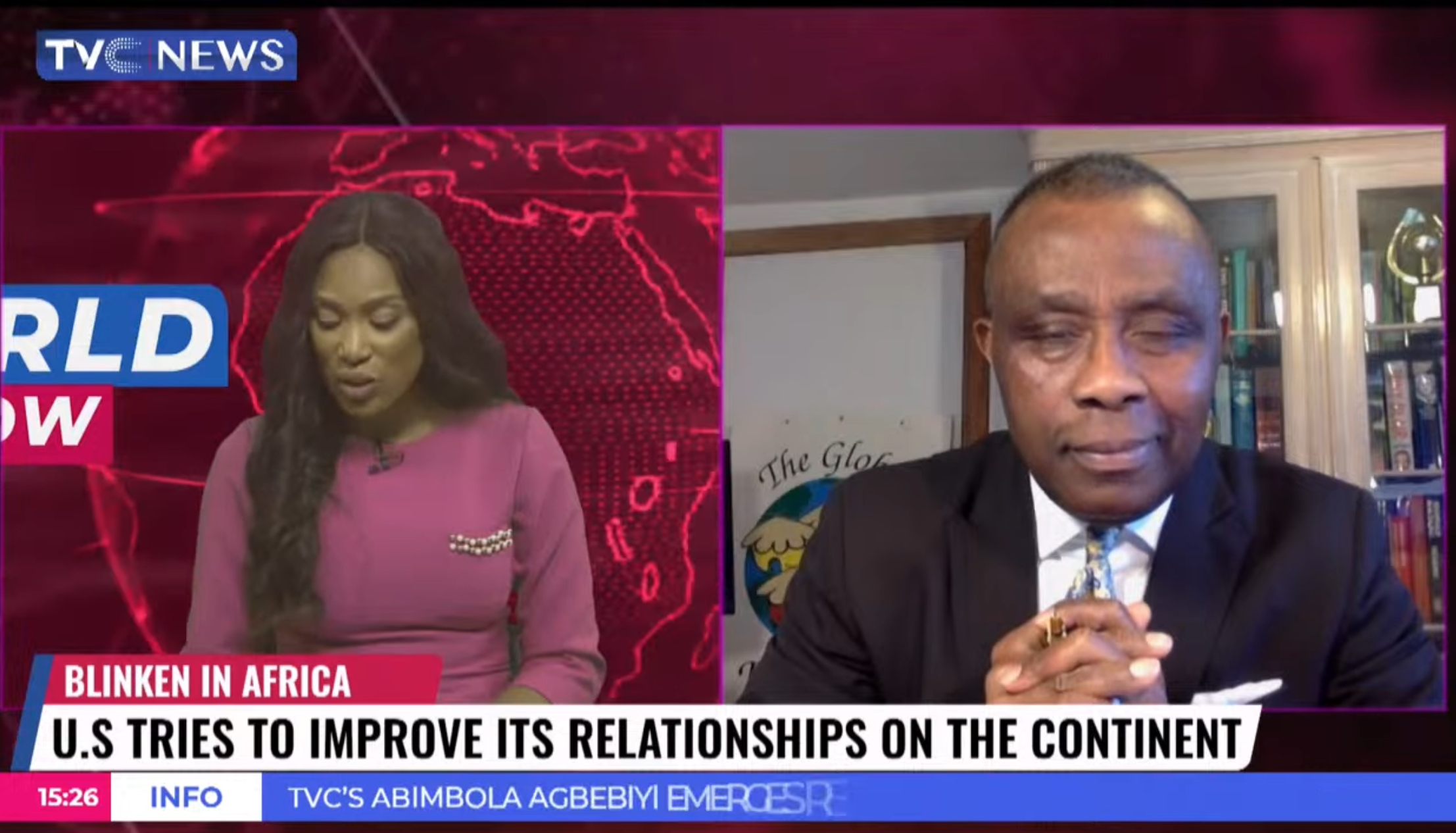
US Secretary Of State, Antony Blinken has been back in Africa since Sunday 21 January 2024, for a week visit. Nigeria is one of his four planned stops.
Key question in the lips of Africa watchers is if Blinken Africa shuttle diplomacy is out of love for Africa? I’d say Nope!👎🏾 It can only be out of protection of America’s interests & investments, obviously!👍🏾 And Africa’s interests? Who’s protecting those? Certainly not its leaders, if they even know what Africa’s interests are… that is! Except for a tiny few.
I had a short interaction with Television Continental TVC anchor, Precious Amayo, around how Nigeria could derive its best interests. I even attempted a couple of suggestions.
In doing so, I reminded myself of an ongoing conversation at a Think Tank I am associated with, People Expertise & Excellence Foundation (PEEF) under the leadership of Dr. MUSA RABIU, FCIPM about the prospect of Nigeria commencing manufacture of Military Hardware at its Ajaokuta Steel Plant.
I was quick to assert that in the battle between the US & China over influence in Africa, the continent ought not have a dog in that fight. There ought to be sufficient space for all in a potentially prosperous Africa. Not Turkey, not Russia and others with eyes on the raw materials, minerals, and young human capital of Africa, should be ignored.
African Governments, especially led by Nigeria, must undertake a value analysis to determine their advantageous positioning with the US & China, as both powers battle for influence over Africa.
Ajaokuta Steel Plant Nigeria in its planned commencement of manufacturing of Military Hardware for instance, could become an almost insatiable market for weapon spare parts for America’s weapon industry?