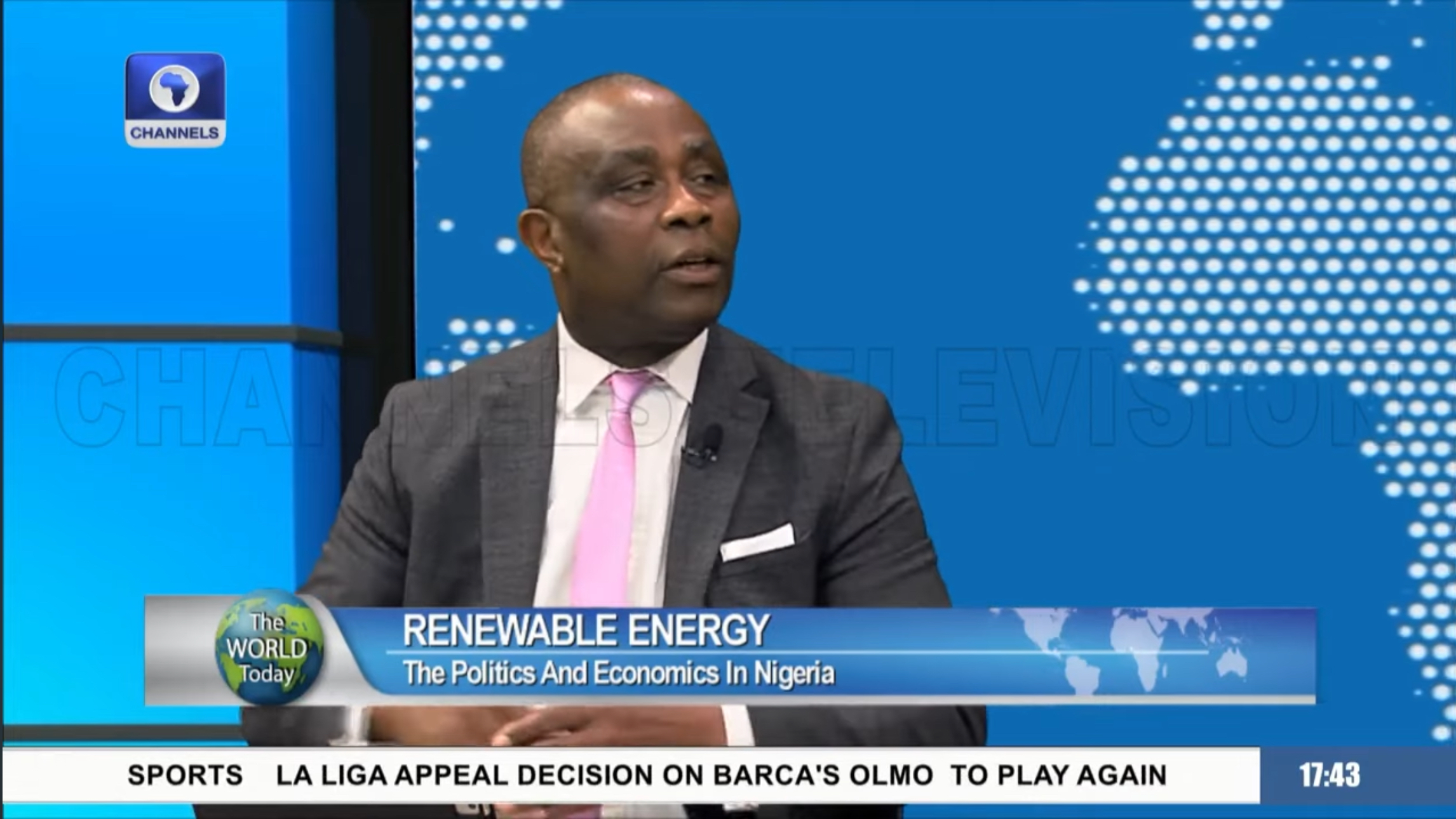
During my tenure in a Green political office, I faced a daunting energy policy delimma concerning transition economies. It was about taking a firm position on an aggressive push for transition to renewable energy by emerging economies. Seen as a pathway to a sustainable and resilient future, my party is non compromising on making fossil fuels a thing of the past. I recall a challenging debate at the African Carebbean and Pacific (ACP) secretariat during my bid for a seat in the European Parliament. A co-debater representing the business-leaning Belgian Liberals made an impassionate case for nuclear power as the new godsend for global energy security. When he was done, the skilful moderator turned to me and in a well calculated tone, she went: Honourable Nweke, you want no nuclear power stations, you are reported to hold the private view that attempts to get Africa to join the clean energy transition is harassment. What exactly do you want?
For a split second, I was frozen. However, I quickly gathered my thoughts. I then made a start “As Greens, we…” to which the lady promptly interjected “Not the Greens Honourable Nweke. The question is What Do YOU Want?” I then made a second attempt. Very well then. Let me correct one misconception: I see the transition to renewable energy as both necessary and urgent in addressing the global climate crisis. However, I also recognize that an abrupt shift away from fossil fuels, without a just and inclusive strategy, risks causing economic dislocation for many African nations whose economies remain heavily dependent on oil revenues. We need a pragmatic approach. A strategy rooted in accelerating clean energy adoption while investing in economic diversification, workforce retraining, and equitable development to ensure no one is left behind in the transition.
I stood by that position. When I argue that oil is not a dead commodity for Africa, I do not mince words. However, we are at an interregnum where emerging economies like my native Nigeria need to equally be told the inconvenient truth about the politics and economics of renewable energy. This involves a complex interplay of domestic policy, foreign relations, market forces, and structural challenges. This is more so especially when viewed through the lens of international trade and bilateralism. Overreliance on Oil export is a major issue. Nigeria’s economy remains heavily dependent on crude oil. Now is the ideal time to argue that investing in renewable energy will diversify energy sources and reduce vulnerability to global oil price shocks. Linked to that is import dependence as the country imports most of its refined petroleum products. Renewables will urgently help reduce this dependency culture.
Nigeria is facing one of its worst power shortages, with the national grid collapsing and leaving many homes and businesses without power. This makes Nigeria one of the world’s most vulnerable countries in terms of energy. There are a number of alternate energy sources that Nigeria can begin immediately to adopt from Europe, even from little brave Belgium. The problem with energy security in Nigeria is well known and well documented and therefore needs no further analysis. So, focusing on the solutions should be the reasonable thing to do. Talking of solutions, the first thing that comes to mind is the abundant sunlight year-round, that Nigeria is blessed with. Nigeria has an average solar radiation of 5.5 kWh/m²/day, which is significantly higher than Belgium’s 2.8 kWh/m²/day. This makes solar power a highly viable option for Nigeria. The fact that Rural Electrification Agency (REA) solar mini grids exist in Nigeria tells us that there is at least a sense that Nigeria knows what to do. REA as initiative needs scaling up.
Wind Energy potential is moderate in most regions, but areas like Sokoto, Kano, and Jos have significant wind resources. I guess the combination of onshore and offshore installations in Belgian wind energy infrastructure offers valuable lessons for Nigeria. Small to medium wind farms and hybrid energy systems could help Nigeria in combining solar and wind.
I am tempted not to overlook the potentials in hydropower for Nigeria with its vast water resources. There’s abundance of large and small rivers. While large hydropower projects are operational for instance the Kainji Dam, I have not stopped dreaming of small-scale hydropower in my Igbuzo hometown, in the Okpuzu and Atakpo rivers where I went swimming as a child. Numerous such rural river resources are scattered across the length and breadth of the country and can boost off-grid energy access. In other words, mini- and micro-hydropower plants for remote areas harbour unexplored energy potentials for Nigeria.
Biomass and Biogas is an option too. Nigeria generates a significant amount of agricultural and local waste that can be converted into energy. Farm residues, animal waste, and urban waste could be used for power generation and cooking gas. This is one viable way to address energy needs in rural areas and reduce environmental pollution. Of course I’m not losing sight of the strategic investments, supportive policies, and commitment to sustainable practices that is required here. Out here in Belgium, we have done so much since 2009 in integrating biomass and biogas in our energy mix, but it is not yet uhuru because of the challenges involved. It won’t be different for Nigeria.
On energy mix, would not play down any potential for achieving an energy mix for Nigeria no matter how small it is. With the few volcanic and hot spring regions in Nigeria, I will not exclude the potential for Geothermal Energy. In this regard, I think of Jos, Biu, and Mambilla Plateaux. Just as I believe that some hot springs from the Southwest to the far North, have great potentials. I recall with melancholy, geography lessons even in Umejei Primary School and later in St. Thomas’s College where we got acquainted with Ikogosi Warm Spring, Ruwan Zafi Hot Spring, Wikki Warm Spring in Yankari National Park, and Akiti Warm Spring, I believe in present day Nasarawa State. With enough will, Nigeria can easily surpass Belgium in small-scale geothermal systems for localized heating and electricity. I’m sure Belgium will readily transfer skills and knowledge and technology in this area if Nigeria asks nicely because there are also business potentials in it. Belgium is open for business.
Renewable energy as a clean energy source that is climate friendly is quite sustainable. Many countries are dependent on it but in Nigeria it is a different ball game on account of several limitations that impede on its development. When Nigeria becomes the subject of harassment, if I may borrow from the merciless debate moderator, less questions are being asked about how these challenges could be addressed. What international trade opportunities exist?
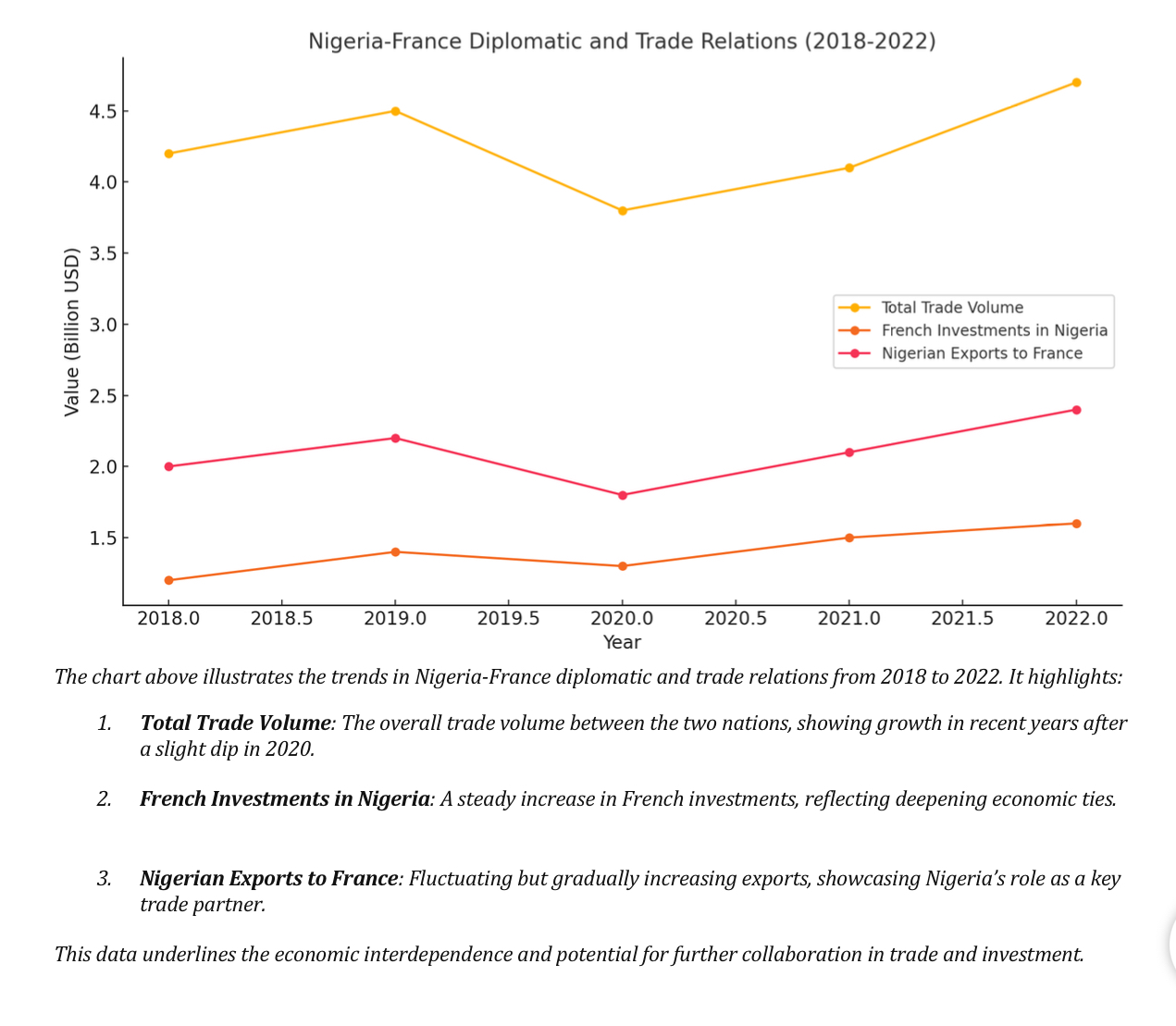
First and foremost, we must look at Nigerian Government Policy and Investment. The secured private sector participation must be encouraged through intentional public policies and legislative frameworks. Public-private partnership (PPPs) arrangements could be sealed to bridge finance gaps for renewable energy projects. Government must show openness in inviting international partners to the space as part of Nigeria’s intentional foreign policy. The 5D Renewed Foreign Policy mantra of current administration made provisions for this in the pillar around Development & Diaspora. The Diaspora has a role cut out here for them as a number of them are in the renewable energy space. Global Green Investment trends offer good lessons on how international investors are shifting toward green energy projects. Nigeria could attract Foreign Direct Investment (FDI) into its renewable sector if it ensures policy stability and attractive returns. Collaborations with countries like Belgium, Germany, or Denmark, and even China, could bring in advanced renewable technology, especially solar and wind, if the table is organised through sound public policies.
Nigeria–Belgium Collaboration Opportunities in Renewable Energy
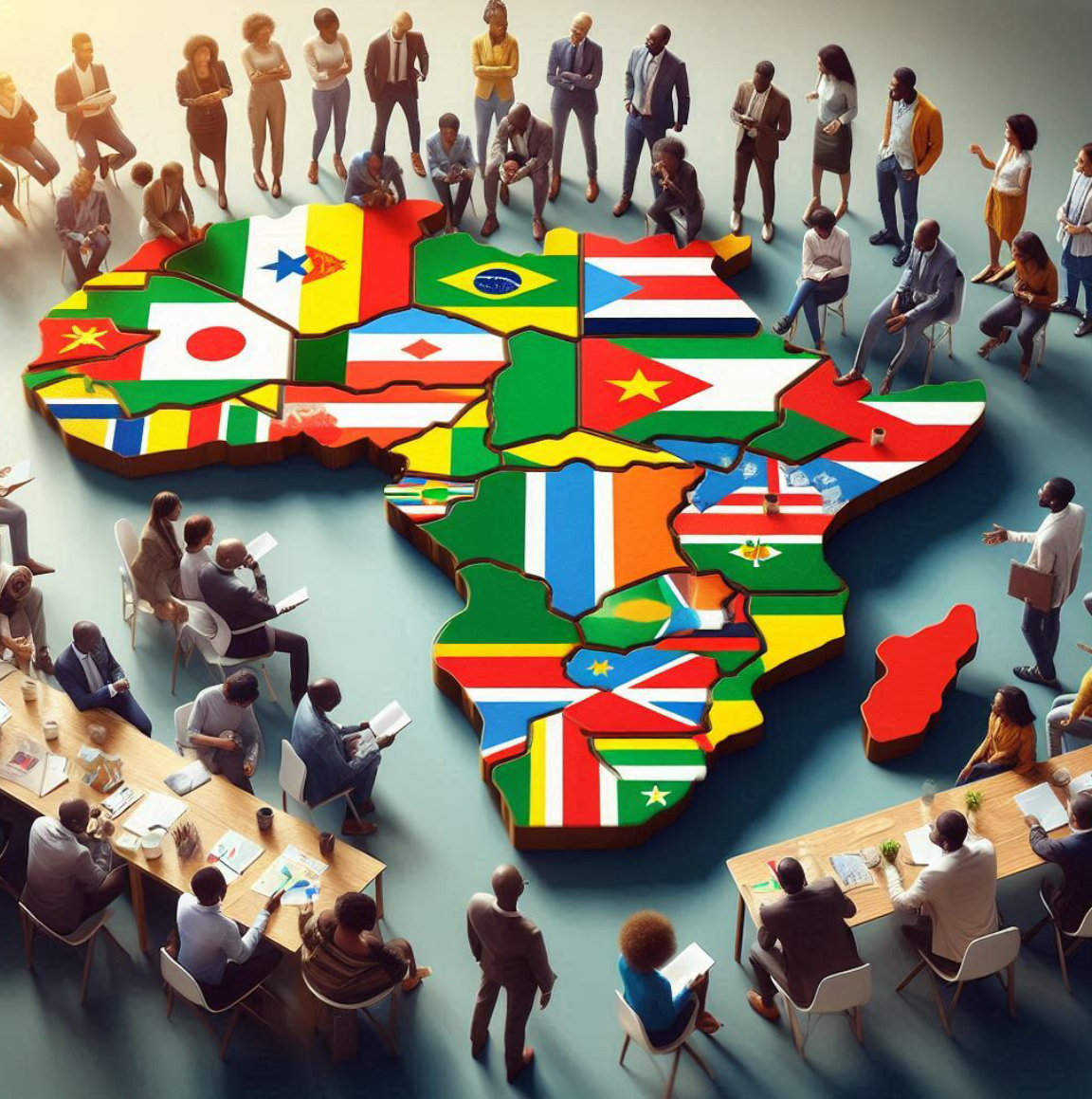
Belgium and Nigeria have complementary strengths that position them for mutually beneficial cooperation in renewable energy. There are strategic areas for business-to-business (B2B), government-to-government (G2G), and business to government (B2G) collaboration in infrastructure development as well as research and development.
Infrastructure Development
Ample Business-to-Business (B2B) opportunities exist in Solar Mini-Grids & Off-Grid Electrification where there can be collaboration between Belgian firms like 3E, GreenPulse and Nigerian developers to scale off-grid solar power for rural communities. There is also the Waste-to-Energy Solutions. In Belgian technology providers, VYNCKE, Nigeria does have a partner. There are indications that Nigerian agro-industrial firms could partner here to convert biomass into renewable energy. Nigeria needs not reinvent the wheels in Smart Port & Logistics Infrastructure when in more ways than one, Belgium’s Port of Antwerp-Bruges have shown readiness to provide the expertise needed to help green Nigerian ports. The Lagos Port could take advantage of this opportunity should they be serious about reducing carbon emissions in maritime logistics.
There is also Government-to-Government (G2G) opportunities to explore. There can be cooperation through EU–Nigeria Green Deal initiatives for infrastructure financing and technical support under Bilateral Green Transition Framework. This is independent of development and cooperation through Enabel, Belgium’s development agency. Again their willingness and ability to fund renewable energy infrastructure in public health and education institutions in Nigeria is no hidden agenda.
Research & Development (Education & Awareness)
Just like in infrastructure development, Business-to-Business (B2B) opportunities are there to exploit for instance in Green Skills Training. Private training providers can play a role in this space. Belgian vocational institutions like Syntra Vlaanderen can co-develop technical certification programmes with Nigerian polytechnics for solar and wind technicians, to leave it at just one example. Belgian and Nigerian media firms could initiate joint public awareness campaigns to co-produce for instance educational content on renewable energy and climate literacy.
Under Government-to-Government (G2G), public universities could seal University Research Partnerships. Joint academic programs between Katholiek Universiteit Leuven, Ghent University, and Universities of Lagos and Port Harcourt, comes to mind in the domain of clean energy innovation. There can also be curriculum development support with Belgium, given its databank of knowledge acquired over the years. This could provide support in the integration of renewable energy and sustainability into Nigeria’s national curriculum.
Nigeria and the rest of the renewable energy world
There is the dimension of geopolitics of energy that Nigeria needs to watch in terms of the evolving oil diplomacy versus Green diplomacy. As the world shifts toward renewables, Nigeria’s oil-based diplomatic leverage will wane. Here it is not a matter of if, but that of when it will wane. Embracing renewables could open new partnerships in climate finance from the EU, US, or UN. As signatory to the Paris Agreement, Nigeria will be under global pressure to honour its climate commitments. It is hard to admit but Nigeria’s renewable energy policies are influenced by international expectations and access to climate funding like the Green Climate Fund. Only time will tell if these are in Nigeria’s National and security interests.
As many international investors are shifting toward green energy projects, Nigeria could attract FDI into its renewable sector if it ensures policy stability and attractive returns. Nigeria needs smart tariff policies to support local industry without discouraging investment realising that import duties on solar panels or wind turbines can either stimulate or stifle renewable adoption. With the right policies in place and given the current appetite for inter-Africa trade, Nigeria could become a regional hub for solar panel assembly or biomass fuel if it builds capacity and leverages trade agreements like AfCFTA.
END
The author, Collins Nweke is a former Green Councillor at Ostend City Council, Belgium, where he served three consecutive terms until December 2024. He is a Fellow of both the Chartered Institute of Public Management of Nigeria and the Institute of Management Consultants. He is also a Distinguished Fellow of the International Association of Research Scholars and Administrators, where he serves on its Governing Council. He writes from Brussels, Belgium.
LinkedIn: @collinsnweke | X: @collinsnweke | E: admin@collinsnweke.eu | W: www.collinsnweke.eu