A Fiscal Reset for Nigeria That Depends on Trust

Op-Ed by Collins Nweke

Nigeria’s tax overhaul is less a revenue exercise than a credibility test. It is one that will shape investor confidence, citizen buy-in, and the country’s reform reputation in the face of the world for years to come.

by Collins Nweke

Today, 1 January 2026, marks more than the start of a new year for Nigeria. It is the dawn of a new fiscal era, as the country’s ambitious tax law comes into force. The timing of this piece is deliberate: it coincides with a moment of profound national significance and symbolism. In the months since the law was announced, Nigeria has witnessed spirited debates, rigorous analyses including my op-ed on Proshare titled: Tax Ombud for Nigeria: Navigating a Promising Reform in a Distrustful Context on the role of the tax ombudsman, and passionate protests, all underscoring the gravity of the changes at hand. Yet, despite the turbulence, the government has pressed ahead, undeterred and unwavering in its resolve. Against this backdrop, my purpose is not to add to the noise, but to offer a sober reflection and an objective assessment of what will ultimately determine whether this reform succeeds or falters. For Nigeria, the true test is not simply about raising revenue, but about building credibility, at home and abroad, through the choices made from this day forward.

Operating in the intersection of international trade consultancy and Diaspora thoughts leadership for a couple of decades now, feels like a long-standing bridge between Nigeria and global capital. In such vantage position, I have learnt one enduring lesson: investors do not fear reform, they fear uncertainty. Nigeria’s new tax framework should therefore not be viewed as a risk by default, instead of the test that it is. A test of credibility, sequencing, and Nigeria’s capacity to translate reform intent into institutional reliability.

The Federal Government of Nigeria has framed the overhaul as a decisive pivot. It is a route away from oil dependency and toward domestic resource mobilisation; away from over-taxing a narrow formal sector and toward a broader, fairer base. For international investors, this narrative is familiar. What will distinguish Nigeria is not ambition, but execution.

What Investors Should Watch Most Closely

Speaking daily with investors who want to engage Nigeria but remain cautious, I can say this plainly: capital wants Nigeria to succeed. The market size, entrepreneurial energy, and strategic relevance are undeniable. But goodwill is not infinite. Nigeria has a duty, indeed an obligation, to make this reform work. Not only for revenue, but for reputation. If successful, it will reposition Nigeria as a serious reform economy, one that converts policy ambition into institutional trust. Not allowing it falter means paying attention to a few key factors:

Predictability over perfection: Tax rates can be modelled; volatility cannot. The clearest signal Nigeria can send to markets is that rules will not shift abruptly, retroactively, or selectively. Consistency in application matters more than marginal adjustments in rates. Credible reform is reform that businesses can plan around.

Balanced enforcement: A sound tax system expands compliance without penalising those already compliant. Investors will watch closely whether enforcement finally tackles elite non-compliance, leakages, and rent-seeking, rather than defaulting—yet again—to squeezing formal businesses because they are easiest to reach. Reform that punishes compliance undermines confidence.

Transparency in the use of revenues: Taxation is not merely a fiscal instrument; it is the backbone of the social contract. Investors, like citizens, want evidence that revenues translate into infrastructure, healthcare, education, and logistics that reduce the cost of doing business. Transparent reporting, independent audits, and visible outcomes are not political luxuries. These are investment fundamentals.

Sub-national readiness: Nigeria’s federal structure means national reform is only as strong as State level and local government implementation. Fragmented administration, multiple levies, and uneven capacity remain among the greatest deterrents to investment. Harmonisation, digital integration, and clarity across jurisdictions will therefore be critical tests of seriousness.

Sequencing and sensitivity: Reform during economic strain may be unavoidable, but its success depends on timing and tone. Phased implementation, clear thresholds, and protection for small enterprises would signal that Nigeria understands the difference between taxing productivity and suffocating survival.

Opposition, Dissent, and Democratic Legitimacy

It is important to recognise, and commend, the voices of trade unions, opposition parties, and civil society organisations that have raised concerns about the reform. They are not obstacles to progress, but essential actors in a functioning democracy, exercising a legitimate right to scrutinise state power and defend vulnerable groups. History shows that reforms imposed without consultation rarely endure. Government has a responsibility to engage dissent with respect, transparency, and good faith. From my position as an independent assessor, supporting investors to make informed decisions rather than defending any administration, robust opposition is not a weakness. Properly engaged, it strengthens legitimacy and improves policy outcomes.

Why This Reform Must Be a Win-Win

Engaging daily with investors eager to enter Nigeria yet wary of policy risk, one reality that shouts loud is that most investors want Nigeria to succeed. They realise that this, in the first instance is good for them. But it is also good for Nigeria. The reverse will reinforce a damaging narrative: that reform in Nigeria remains episodic rather than systemic. This moment therefore demands more than legislation. It calls for leadership that listens, institutions that deliver, and a country that treats citizens and investors not as extraction targets, but as partners in national renewal.

Tax reform is not the destination. Credibility is. And credibility, once earned, delivers the highest return of all.

Reforming Unemployment Without Cutting Too Close to the Bones

Belgium has decided. And in a democracy, decisions once debated, voted, and translated into policy, do not remain theoretical. They become lived reality. From 1 January 2026, a first group of jobseekers will begin to lose unemployment benefits, with a phased rollout that continues until 1 July 2027. The first wave affects roughly 21,500 people, many of them in Wallonia. And by summer 2027, the reform is expected to impact nearly 103,000 residents. 

I opposed this direction when it was still a plan. In my earlier piece, I warned against a welfare debate that risks shifting from fighting poverty to fighting the poor.  I still believe that warning was valid. But the point of democratic politics is not to continue campaigning after the ballots are counted. It is to help society govern itself wisely, cautiously, and humanely, especially when reform touches the lives of those with the least margin for error. My colleagues on the political Left who are still in active service might read this and say to me: how convenient! They may be right because, since retiring from active party politics, I no longer must be part of that hard decision of cutting too close to the bones of vulnerable fellow citizens. When it is the law, you are duty bound to comply, irrespective of political persuasion.

So I write now not to relitigate yesterday, but to prevent tomorrow’s avoidable harm.

Activation is not cruelty unless we make it so

Even as critics think otherwise, most liberals understand that Belgium’s welfare state was not built to romanticise dependency. We simply argue that it was built to protect dignity while enabling participation. Support and responsibility were always meant to travel in tandem.

In principle, governments are right to ask: how do we encourage labour-market participation, reduce long-term joblessness, and protect public finances? Those are legitimate policy aims. But legitimacy of intent does not guarantee legitimacy of outcome.

A hard truth sits at the centre of this reform: if you withdraw income support without simultaneously removing the barriers that keep people unemployed, you don’t “activate” people. You destabilise them. You push them from unemployment insurance into deeper poverty, precarious housing, debt traps, family stress, and sometimes untreated mental health conditions. The social cost does not disappear. It merely relocates often to OCMW/CPAS, to charities, to food aid networks, and to already overstretched local services.

Brussels authorities have already publicly prepared for that pressure, warning that thousands may turn to social welfare services as benefit limits bite.  This is the pivot Belgium must get right: reform must be paired with protection.

A humane implementation: six guardrails Belgium should adopt now

If the reform is to proceed, and the sad reality is that it is proceeding, then federal and regional governments should adopt a do no avoidable harm framework. Concretely:

1. No one should fall off a cliff: build a guaranteed “bridge” to support

The moment unemployment benefits stop, the transition to alternative support must be automatic, guided, and time-bound; not an obstacle course of appointments, paperwork, missed letters, and administrative confusion.

A person losing benefits should receive one coordinated pathway: employment guidance + social support + income stabilisation where eligible. If activation is the goal, then administrative chaos is policy sabotage.

2. Fund the shock where it lands: municipalities need real money, not moral lectures

If the policy shifts people from federal unemployment protection toward local welfare assistance, then the federal level must co-finance the increased load. Otherwise, the reform becomes a fiscal shell game: savings for one level of government, pressure and political backlash for another.

Belgium should create a transparent mechanism that tracks how many people transfer to CPAS/OCMW support and funds municipalities accordingly: predictably, not through ad hoc crisis measures.

3. Replace “one-size-fits-all” with case-based activation

Some jobseekers are unemployed because they lack skills. Others because they are older, sick, caring for relatives, facing language barriers, or living with invisible disabilities. A uniform time cap treats these realities as excuses. They are not excuses; they are contexts.

Belgium must implement individualised, case-based activation that distinguishes:

  • those who need skills and placement,
  • those who need health and psychosocial support,
  • those who need care infrastructure (childcare, eldercare),
  • those who are effectively unemployable under current labour-market conditions and need protected pathways.

A mature welfare state doesn’t pretend all unemployment is identical.

4. Expand training exceptions into a real ladder, not a loophole

The current framework includes an exception for people enrolled by 31 December 2025 in training for shortage occupations, allowing benefits to be extended until training ends (under conditions). 

That is sensible—but too narrow if Belgium wants genuine activation.

Training must be:

  • accessible (cost, transport, childcare),
  • realistic (matching labour-market demand),
  • and supportive (coaching, internships, employer linkages).

If training is truly the “on-ramp” to work, then government should widen, simplify, and properly resource it, especially for those closest to the labour-market margins.

5. Protect dignity in assessment and communication

When people receive letters informing them that their benefits end, the message must not be punitive. The tone matters because it signals whether society still recognises the recipient as a citizen or treats them as a burden.

Public discourse should also be policed for scapegoating. Belgium must reject narratives that imply poverty is a character flaw or that long-term unemployment is best solved through humiliation. Policy can be firm without being dehumanising.

6. Monitor outcomes like lives depend on it, because they do

Belgium should publish a quarterly Reform Impact Dashboard that tracks:

  • transitions to work (quality, not just any job),
  • transitions to CPAS/OCMW,
  • poverty and housing insecurity indicators,
  • debt and arrears,
  • health and mental health service demand.

And there must be a willingness to adjust. If evidence shows rising hardship without commensurate employment gains, democratic responsibility requires correction, not stubbornness.

A word to Europe: do not misread Belgium

Across Europe, many governments have long looked to Belgium as proof that a generous, humane social protection system can coexist with fiscal responsibility and labour-market participation. That reputation now places a burden not only on Belgium, but on Europe itself. This reform will be read, rightly or wrongly, as a signal. If Belgium; the careful compromiser, the laboratory of social dialogue; normalises time-limited protection without equally visible investment in activation, care, and dignity, others will feel licensed to go further and cut deeper. Europe must therefore resist the temptation to treat this moment as validation of a harsher continental turn. The lesson to draw is not that social protection has failed, but that reform divorced from social investment corrodes trust, cohesion, and legitimacy. If Europe still claims a distinct social model, one that tempers markets with solidarity, then Belgium’s experience should be a warning light, not a green one. The benchmark must not slide from humane protection to managed abandonment.

The moral test of governance

There is a phrase I used before that I repeat now with even greater urgency: we are cutting too close to the bones of vulnerable fellow citizens—fellow humans.

It is precisely when the political system has “decided” that the responsibility of leadership becomes most demanding. Because implementation is where policy stops being ideology and starts being ethics.

Belgium can still make this reform worthy of its social model, if it treats activation as a supported pathway, not a punishment clock; if it funds the consequences honestly; and if it refuses to confuse fiscal discipline with moral superiority.

In the coming weeks, the first wave will feel the reform not as a concept but as an empty line in a bank account.  The question is whether Belgium will meet that moment with bureaucratic indifference or with the quiet competence and compassion that once made its welfare model a benchmark.

Democracy brought us here. Now decency must guide what we do next.

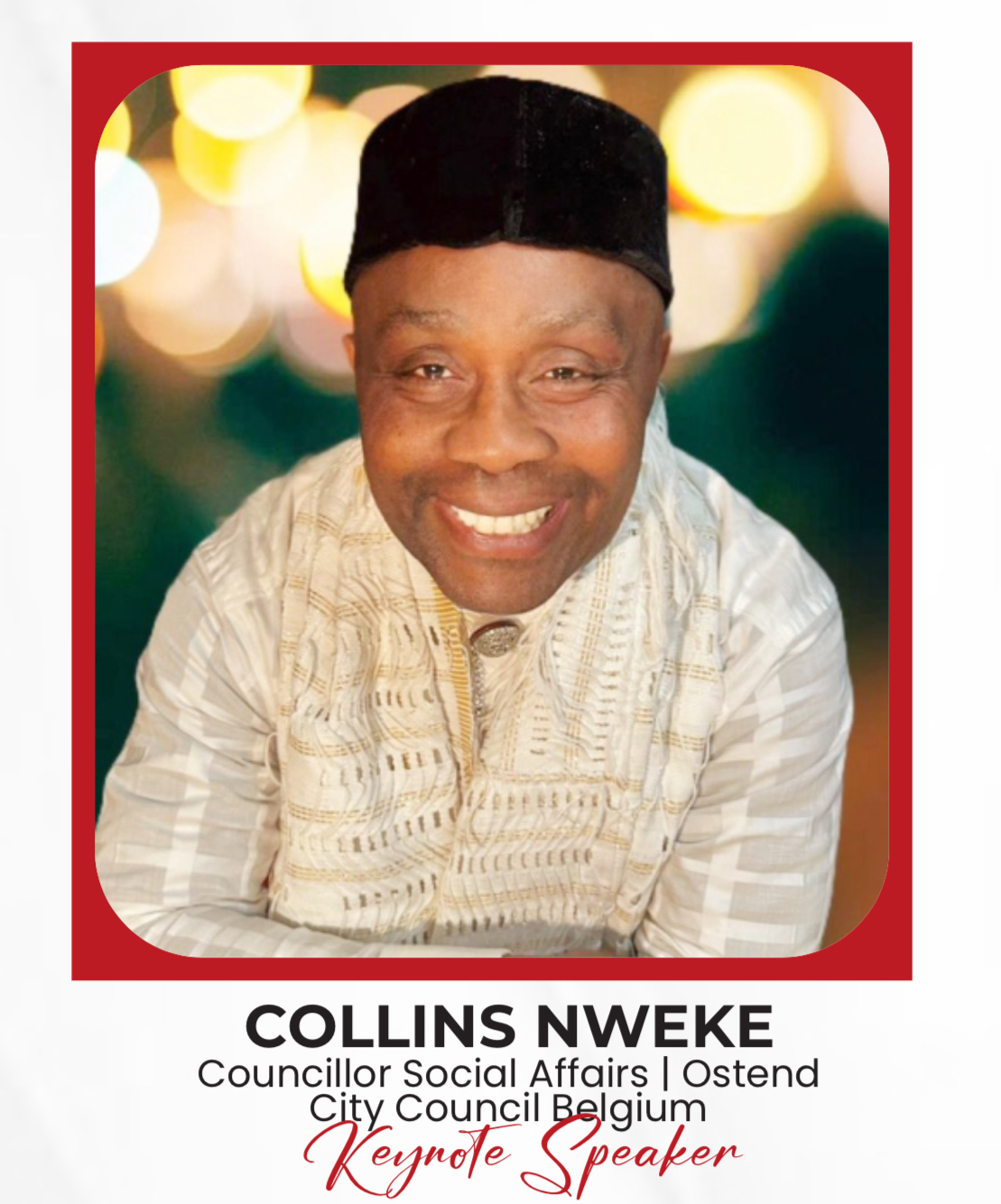
The author, Collins Nweke is a Senior Consultant on international trade and economic diplomacy. A three-term councillor at Ostend City Council, Belgium till December 2024, his portfolio included social welfare and economy. He writes from Brussels, Belgium.

Understanding the U.S. Visa Restrictions on Nigerians Linked to Anti-Christian Violence

Collins Nweke commends the US shift from “Christian genocide” to “anti-Christian violence” framing, calls visa restrictions a targeted accountability tool addressing Nigeria’s impunity culture, not a national sanction.

In his Proshare Op-Ed, Nweke argues language correction reflects diplomatic maturity, recognising Nigeria’s complex security reality, communal clashes, banditry, and extremism affecting all groups. He urges Nigeria to prosecute perpetrators of violence, strengthen security accountability, build a conflict-prevention architecture, protect witnesses, and communicate transparently to avoid future sanctions.

Nweke also spoke to the topic on RadioNow FM, providing some nuanced arguments.

Upgrading Nigeria’s Economic Reforms for Shared Gains

When President Bola Tinubu announced Nigeria’s ambitious economic reforms in 2023, he framed them as bold steps to rescue the nation from fiscal collapse and stagnation. Two years later, his administration points to some verifiable gains: revenue mobilisation is up, FX market turbulence has eased, inflation is moderating, and GDP growth is stabilising.

It is only fair to admit that these are not trivial developments. Meeting the 2025 revenue target ahead of schedule signals improved fiscal mobilisation. Clearing a long-standing foreign exchange backlog has restored some investor confidence and narrowed currency spreads. Oil output is recovering towards 1.5 million barrels per day. Services are also driving GDP growth as bank recapitalisation is strengthening financial stability.

And yet, for millions of Nigerians, these numbers tell a story their wallets do not recognise.

The Reform–Reality Gap

Despite these “gains,” everyday Nigerians face the harshest cost-of-living pressures in a generation. Inflation, though easing statistically, still sits above 21%. Prices of food and essentials remain painfully high. The removal of the petrol subsidy, electricity tariff hikes, and a weaker naira have combined to squeeze household incomes and overwhelm small businesses.

This isn’t just about economic indicators. It is about lived experiences of everyday Nigerians. For them the bread and butter issues they faced under President Buhari have gotten worse, not better, under President Tinubu. What some of us tell our colleagues in government or those that politically lean towards the ruling party is: save your saliva; Nigerians feel prices, not your percentages.

Reforms are often front-loaded with pain while benefits arrive on a lag. I’m not one, but my economist friends call it “J-curve” in their trade. Let us tell ourselves the truth about Nigeria: weak social safety nets mean there’s little cushion to soften the knock-out blows citizen receive daily. I’m not sure government genuinely agrees with this but without  targeted, transparent interventions, reform fatigue risks eroding public trust and stalling the entire recovery agenda.

The Right Direction Maybe, But…

This isn’t a call for a U-turn. Nigeria’s policy shifts on FX unification, revenue reforms, and financial sector recapitalisation are directionally correct. The problem lies in sequencing, communication, and cushioning.

Take fuel subsidy removal: economically rational, but socially destabilising without simultaneous investments in mass transit, targeted and honest cash transfers, and energy alternatives. Or electricity tariffs: cost-reflective pricing is unavoidable for investor confidence, but Nigerians should never pay more for darkness.

Reforms succeed when policy discipline meets citizen empathy. Nigeria must not pursue stability at the expense of social cohesion.

Lessons From Abroad — A Wider Lens

Nigeria is not alone in navigating the pain-versus-gain cycle of ambitious economic reforms. Around the world, other economies have grappled with similar dilemmas, some successfully, others less so.

1. Ghana (2022–2025) — The Discipline Dividend

  • Implemented an IMF-backed stabilisation plan, cutting subsidies and increasing taxes.
  • Faced severe short-term hardship: food and fuel prices soared, public sector strikes intensified.
  • Outcome: By 2025, inflation has fallen, FX has stabilised, and investor confidence has begun returning.
  • Lesson for Nigeria: Pain upfront can deliver gains later. But only if reforms are sustained and supported by credible institutions.

2. Kenya (2024) — Reform Without Buy-In

  • Rolled out aggressive tax reforms to boost revenue but underestimated citizen fatigue.
  • Lack of social dialogue and safeguards triggered mass protests (“#RejectFinanceBill2024”), forcing partial reversals.
  • Lesson for Nigeria: Sequencing and fairness matter; reforms fail when citizens don’t trust the process or feel excluded.

3. Indonesia (1998–2025) — Gradual, Inclusive Transformation

  • After the Asian financial crisis, Indonesia faced soaring inflation, mass layoffs, and currency collapse.
  • Leaders adopted a sequenced reform path:
    • Fiscal discipline paired with targeted subsidies
    • Massive investments in infrastructure and SMEs
    • Progressive liberalisation of FX and trade regimes
  • Outcome: Today, Indonesia is an emerging powerhouse, combining macroeconomic stability with inclusive growth.
  • Lesson for Nigeria: Reforms succeed when sequencing is matched with social buffers and long-term investment.

4. Vietnam (1986–Present) — The Power of Export-Led Strategy

  • Through the Doi Moi reforms, Vietnam shifted from a closed economy to one of the world’s fastest-growing export-driven economies.
  • Prioritised:
    • Investment in manufacturing clusters
    • Integration into global value chains
    • Gradual FX liberalisation backed by trade surpluses
  • Outcome: Sustained GDP growth above 6% for decades, drastic poverty reduction, and rising FDI inflows.
  • Lesson for Nigeria: Nigeria must pair fiscal reforms with an export strategy to truly stabilise the naira and diversify earnings.

5. India (1991–Present) — Reform + Communication = Buy-In

  • Faced with a balance-of-payments crisis, India liberalised FX markets, cut subsidies, and opened up to global trade.
  • Key to success was political storytelling: reforms were communicated clearly, framed as national revival, and backed by bipartisan consensus.
  • Outcome: From a fragile, closed economy to a top-five global economy, driven by services exports, tech, and manufacturing.
  • Lesson for Nigeria: Economic reforms thrive when communication, credibility, and consistency align.

Nigeria can learn from these transition economies: reforms succeed only when people believe the sacrifices will pay off. And please do not start bullying Nigerians when they do not understand the right things that you are trying to do. Or call citizens daft moaners when it is your responsibility to calmly and proactively make them get the gist.

Upgrading the Reform Agenda: a five-point recommendation

These recommendations are not about abandoning reforms. It is about upgrading them:

1. Make Revenue Fair and Transparent

  • Widen the tax net instead of overburdening compliant taxpayers.
  • Publish verifiable quarterly revenue and expenditure dashboards to build trust.

2. Protect the Most Vulnerable

  • Expand and digitise targeted cash transfers to shield low-income households.
  • Reduce “one-size-fits-all” tariffs and create relief bands for SMEs and rural consumers.

3. Fix the Power Sector, Predictably

  • Tie tariff hikes to enforceable service benchmarks: if tariffs rise, service must rise too. Remember that Nigerians have adapted to darkness. But please do not make them pay for the same darkness that you created.
  • Invest in decentralised renewables to reduce dependency on the national grid. Belgium offers huge opportunities on renewables and entrepreneurs there and in Nigeria are ready to engage. Organise the table for them with business forum, trade mission, et cetera.

4. Unlock Food Security

  • Secure agricultural belts and provide affordable storage and logistics.
  • Support mechanisation and smallholder financing to bend food inflation downward.

5. Communicate With Candour

  • Nigerians are resilient, but not if kept in the dark. Citizens deserve clear, frequent, and honest communication about the economic roadmap and trade-offs.

Turning Stability Into Shared Prosperity

Nigeria stands at an economic crossroads. The stabilisation drive is working in parts. But citizenship legitimacy, which is the sense that reforms serve people, not just numbers, remains fragile.

As I often remind policymakers both in Europe and in Africa:

“Stability isn’t the destination. Prosperity is. Reforms must move from policy papers to people’s pockets.”

This requires patience, yes, but also precision. Nigeria doesn’t need to turn back. It needs to upgrade. It must upgrade with empathy, sequencing, and execution. If we get that right, this moment of pain can become the platform for shared prosperity.

The author, Collins Nweke is senior consultant international trade and researcher on economic diplomacy. A former three-term Green Councillor at Ostend City Council, Belgium, Collins is a fellow of the Chartered Institute of Public Management of Nigeria and the Institute of Management Consultant. He is also a distinguished fellow of the International Association of Research Scholars & Administrators, where he serves on its Governing Council. Collins writes from Brussels, Belgium.

The World on the Brink of World War III

In recent conversations, a deeply pessimistic narrative has been making the rounds. A friend lamented, “Wars, or is it world wars, tend to start small.” “First, it was Ukraine, then Sudan, oh! I forgot Cameroon is at war with itself, then came Gaza and now we are in Israel and Iran. If we combine the populations of these nations, we might conclude that World War III is looming. Nations backing them increase this possibility.”

It’s a tempting theory. This idea that the world is sliding inevitably toward a third global war. The imagery is dramatic, the fear visceral. But it is not exact. And it is certainly not helpful. Yes, the world is going through a turbulent season. But no, these are not the rumblings of a third world war. Rather than scaremongering, we must turn to reason, perspective, and a sober reading of the facts.

We should not confuse local conflicts with global conflagration. Across the globe today, we see regional and context-specific conflicts. These are occurring in Ukraine, Gaza, Sudan, and Cameroon. They are not the makings of a coordinated, worldwide military confrontation. During the early 20th century, global alliances triggered continent-wide mobilizations. In contrast, today’s conflicts are largely unlinked in cause. They differ in geography and participants.

Ukraine is about NATO-Russia tensions. Gaza is rooted in the unresolved Israeli-Palestinian conflict. Sudan’s crisis is an internal power struggle. And Cameroon? That is a nation facing long-standing grievances in its Anglophone regions. These are tragic. Yes, but not interconnected in a way that could set off a world war.

The World Is More Diplomatic Than Ever

Diplomacy has not disappeared. To the contrary, it has diversified. Nations and multilateral institutions are actively working, often behind the scenes, to de-escalate these crises. Turkey is brokering grain deals in Ukraine. Egypt is mediating ceasefires in Gaza. The African Union is engaging with Sudanese factions. Diplomatic tracks are alive and well. Unlike in 1914, when diplomacy collapsed under the weight of imperial arrogance, today’s world is different. It has layers of dialogue and mediation channels. They may be formal and informal, but they work in tandem.

Globalization Has Changed the Stakes

In today’s hyper-connected world, a world war would be an economic suicide pact. No major power can afford it. Not the United States, not China, not Europe. Trade interdependence has created a strong disincentive for outright global war. Even amid tensions, the world’s leading economies continue to trade, invest, and collaborate. They work together on global challenges like climate change and pandemics. Unlike the nationalism and protectionism that fueled earlier world wars, today’s powers are bound, though reluctantly, by mutual economic interest.

Modern Warfare Is Strategic, Not Expansive

Even the most serious escalations today, like between Iran and Israel, are calibrated rather than reckless. Military doctrines have shifted from conquest to deterrence. The existence of nuclear weapons has paradoxically acted as a stabilizer. The logic of mutual assured destruction means that major powers understand the cost of letting conflict spiral out of control. Moreover, it is simple to make comparisons to the past. Yet, history is not a script we are destined to relive. The causes of the two World Wars are not mirrored in today’s world. Imperial rivalries, the collapse of global governance, and the absence of civil society differ from contemporary conditions. In fact, global institutions are stronger, more inclusive, and more vigilant than ever.

Peacebuilding is not a whisper but a chorus

Around the world, citizens and civil society organizations are actively resisting war narratives. Youth movements are pushing for climate justice, democracy, and human rights. Technological tools give ordinary people a voice and a platform. Peace is not passive; it is being actively built every day. It is not unimportant to remind ourselves in times like today

that the majority of the world is not in conflict. Much of Asia, Latin America, Sub-Saharan Africa, and the Pacific remain stable. International cooperation continues, from vaccine sharing to infrastructure funding to peacekeeping missions.

In times like this, pessimism can feel like realism. But fatalism is lazy. It abdicates responsibility. It stops us from doing the work needed to build peace, strengthen institutions, and hold leaders accountable. No, World War III is not inevitable. But peace won’t happen on autopilot either. We need informed engagement, committed diplomacy, and a refusal to buy into doomsday thinking. Let us reject fear and reaffirm our faith in humanity’s capacity to learn from history, not repeat it.

The author, Collins Nweke, senior consultant international trade and economic diplomacy. He is a Fellow of the Chartered Institute of Public Management of Nigeria. Collins was a Green Councillor at Ostend City Council, Belgium. He is also a Distinguished Fellow of the International Association of Research Scholars & Administrators. He serves on its Governing Council.

The BRICS and G7 Politics for Nigeria: Not One or the Other

youtube.com/watch

by Collins Nweke

In the dynamic arena of global geopolitics, Nigerians must shed the illusion that their country has to pick sides between BRICS and the G7. Rather than viewing these blocs as mutually exclusive, Nigeria should boldly pursue a dual-engagement strategy that taps into the opportunities offered by both. It is not a matter of ‘either-or’ but ‘both-and’. This is a strategic move that reflects Nigeria’s aspirations as a global player.

BRICS vs G7 is a false dichotomy

It is true that China, a key BRICS member, has invested heavily in Nigeria’s industrial sector. This is particularly visible in the Ogun, Ota, Lagos, and Badagry axis, among other locations. These visible investments often overshadow Western contributions, which tend to be more subtle and regulatory-focused. But raw investment volumes do not tell the whole story. Many Chinese investments come with challenges. Take debt sustainability as example. Limited local job creation remains an issue. We cannot ignore environmental concerns either. Meanwhile, G7-linked initiatives often support democratic institutions, capacity building, and regulatory reforms that are less visible but equally essential for long-term development.

Currency Policy and the Sovereignty Debate

Yes, Bretton Woods institutions influenced by G7 powers often push currency devaluation policies in emerging economies, including Nigeria. But it would be simplistic to attribute Nigeria’s economic struggles solely to G7 influence. Macroeconomic mismanagement at home plays a major role. It is also worth noting that BRICS institutions like the New Development Bank have not exactly rushed to fill Nigeria’s financing gaps. Neither bloc is altruistic. Both run based on interest. Those rooting for Nigeria should assume the responsibility of strategically aligning their interests with those of Nigeria.

Non-Alignment 2.0: Nigeria’s Diplomatic Playbook

Nigeria must take a cue from fellow emerging powers like India and South Africa who engage both BRICS and G7 with calculated pragmatism. This is not fence-sitting. It is strategic positioning in a multipolar world. Nigeria’s influence must be exercised in multiple fora. The country must use BRICS to assert African agency while using G7 platforms to strengthen ties with traditional powers and access advanced technology, finance, and markets. And this brings me to the issue of strategic engagement as opposed to selective alignment.

Frustration with the G7 is understandable. However, disengagement is not a strategy. Nor is blind faith in BRICS a silver bullet. Nigeria must evolve from being a passive recipient of foreign policy to becoming a confident global actor. The future lies not in choosing sides, but in choosing strategy.

That is why I stand by my position: Nigeria needs BRICS and G7. This is not naivety; it is geopolitical maturity. Let us play the global game with clarity, courage, and conviction.

Watch my related interview with Amarachi Ubani of Channels TV: https://youtu.be/Esp8JpRHCV8?feature=shared

Prisoners of Protocol

An Open Letter to the Honourable Ministers of Foreign Affairs of Nigeria and Belgium (On the Occasion of the 3rd EU-AU Ministerial Meeting of Foreign Ministers) by Collins Nweke | Brussels, Belgium 21 May 2025

Your Excellencies

The 3rd European Union–African Union Ministerial Meeting convenes today in Brussels. It has the commendable goal of advancing a 25-year-old partnership. I write to you not only as a Nigerian Diaspora leader and a Belgian of Nigerian roots. I also write as a bridge between two continents that share more than history, but a destiny.

The themes of today’s deliberations: peace, security, multilateralism, prosperity, and migration, are not merely policy points. They are lived realities for the millions of Africans in Europe and Europeans engaged in Africa. They speak to our aspirations. They equally touch on our anxieties.

A Personal and Collective Stake

I have lived the confluence of African resilience and European opportunity. I see the immense potential in the collaboration between Nigeria and Belgium. This potential exists both bilaterally and through the broader EU-AU frameworks. Yet, it is equally important to speak candidly about missed opportunities. This is particularly true in the realm of Economic Diplomacy. Much of the rhetoric has not translated into meaningful and inclusive outcomes.

Missed Opportunities

There has been goodwill on both sides. A leap forward occurred in the past three years. However, economic engagement between Nigeria and Belgium has still been far below its potential. Trade volumes fluctuate without a long-term strategic framework. Investment flows are lopsided. Dialogues around innovation, technology transfer, and capacity building often stall at pilot phases. Diaspora capital and expertise are underutilized assets in bilateral cooperation. They remain on the margins of structured economic diplomacy.

Belgium, with its expertise in green technologies, port logistics, and smart infrastructure, has much to offer a transitioning Nigerian economy. Nigeria, with its youthful population, creative industries, and vast market, is a gateway to Africa’s future. Yet our nations have not unlocked this constructive collaboration.

A Call for Bold, Pragmatic Collaboration

As Foreign Ministers, you hold the keys to fostering a new diplomatic architecture, one where trade and talent move together. An architecture where diaspora communities are institutional partners, and where prosperity is co-created, not simply negotiated.

A Two-Point Recommendation

1.     Establish a Nigeria–Belgium Bilateral Economic Diplomacy Council
This should be a structured, high-level platform. It should involve governments, the private sector, and diaspora stakeholders. It would move beyond trade fairs. This initiative would focus on sustained joint ventures and policy alignment. It would strategically target sectors like clean energy, agri-tech, and the digital economy.

2.     Create a Diaspora Innovation and Investment Window
Through embassies and missions, Nigeria and Belgium should jointly design programmes. These programmes should incentivize diaspora-led startups, skills transfer, and remittances. These remittances should be channeled into productive sectors. This is not charity. It is smart economics.

Conclusion

Excellencies, this is a moment to lead not from tradition, but from transformation. The EU-AU partnership must not only show a shared past. It must project a shared future. Nigerians in Belgium and Europe and Belgians in Africa are part of this future. Our governments should be partners in progress, not prisoners of protocol. As you deliberate on policies that will shape continents, I urge you to also listen to the diaspora. They are the voices of those who straddle both. We live the consequences of your decisions and embody the potential of your vision.

Respectfully yours

Collins Nweke
Advocate for Fair EU-Africa Economic Relations | Senior Consultant Nigeria Belgium Luxembourg Business Forum

The State of Diaspora Voting in Africa and Other Jurisdictions: A Comparative Analysis with Nigeria

Diaspora Voting
The State of Diaspora Voting in Africa and Other Jurisdictions: A Comparative Analysis with Nigeria

Executive Summary
Diaspora voting has gained considerable momentum worldwide. It is the right of citizens living outside their home country to take part in national elections. In Africa, while several countries have embraced diaspora enfranchisement, many, including Nigeria, stay either hesitant or stagnant. This background policy brief examines global and African trends in diaspora voting. It finds lessons Nigeria can learn. It also recommends a pathway for institutionalizing diaspora voting rights in Nigeria.

Introduction

The phenomenon of migration has expanded the footprint of national populations beyond territorial boundaries. It creates dynamic diasporas that influence politics, economics, and culture in their countries of origin. Recognizing their growing relevance, many nations have adopted diaspora voting to strengthen democratic participation and harness diaspora engagement. In Nigeria, constitutional and logistical barriers have hindered diaspora voting despite persistent advocacy. As the world moves toward more inclusive political systems, Nigeria risks marginalizing an important segment of its citizenry. An estimated 17 million Nigerians in the diaspora will be affected if reforms are not urgently prioritized.

Global Trends: Beyond Africa

Diaspora voting is more advanced globally than in Africa.

France: French citizens abroad have 11 dedicated seats in the National Assembly.
Italy: Italians abroad elect members of Parliament directly from overseas constituencies.
India: While India allows expatriates to vote, actual implementation is restrictive; physical presence at Indian polling stations is needed.
Mexico: Mexican citizens abroad can vote in presidential elections via mail and, recently, online.
United States: Americans living abroad can vote via absentee ballots for federal elections.

Key Insights Globally:

§  Most advanced democracies allow remote voting: absentee ballots, postal voting, online platforms.

§  Recognizing the diaspora’s economic power (e.g., remittances), many countries actively promote political inclusion as a bridge to investment and soft diplomacy.

The African Experience: Diaspora Voting Trends

CountryStatus of Diaspora VotingNotes
South AfricaPermittedDiaspora votes in presidential elections at embassies.
GhanaPermitted (since 2006)Implementation is partial; technical barriers remain.
KenyaPermitted (since 2013)Limited to presidential elections; logistical issues persist.
SenegalFully PermittedDiaspora elects legislators dedicated to overseas constituencies.
MaliFully PermittedDiaspora voting well-integrated; dedicated diaspora seats in parliament.
TunisiaFully PermittedTunisians abroad elect their own representatives.
NigeriaNot PermittedConstitutional constraints; no enabling law.

“Key Insights from Africa:

§  Countries like Senegal and Mali not only allow diaspora voting but grant diaspora citizens dedicated legislative representation.

§  In most African nations that permit diaspora voting, it is often restricted to presidential elections due to logistical simplicity.

§  Implementation challenges remain (e.g., voter registration abroad, verification, cost management), but political will has consistently driven reforms.

Nigeria’s Position and Challenges

Nigeria is Africa’s largest economy and the continent’s biggest recipient of remittances, receiving $20 billion annually. Still, Nigeria lags behind peers in diaspora enfranchisement.

Key challenges include

§  Constitutional Restrictions: Nigeria’s 1999 Constitution does not offer for external voting.

§  Lack of Political Will: Successive governments have expressed support but have neglected to push legislation or constitutional amendments.

§  Institutional Readiness: INEC’s ability to conduct credible elections domestically raises concerns about expansion abroad.

§  Logistical Concerns: Cost implications, voter verification abroad, security, and diplomatic coordination are cited as barriers.

Recommendations for Nigeria

1.     Constitutional Amendment: Urgently focus on an amendment to allow external voting for presidential elections initially.

2.     Legislative Framework: Enact enabling laws specifying the scope, procedures, and institutions responsible for diaspora voting.

3.     Pilot Programs: Test diaspora voting in select countries with significant Nigerian populations (e.g., USA, UK, South Africa, Canada) during the next general election cycle.

4.     Capacity Building for INEC: Invest in training and digital tools. Collaborate with embassies to ease diaspora voter registration and balloting.

5.     Public Awareness Campaigns: Build trust and demand through education targeting both diaspora citizens and domestic stakeholders.

Conclusion

Diaspora voting is no longer a luxury but a democratic imperative in a globalized world. Nigeria’s failure to enfranchise its diaspora community contradicts its aspirations for inclusive governance and development. Comparative experiences from Africa and beyond show that the political, logistical, and constitutional hurdles Nigeria faces are surmountable. Overcoming them requires political will and strategic planning. Now is the time to act!

The author, Collins Nweke, was Chairperson Emeritus of Nigerians in Diaspora Organisation (NIDO) Europe from 2011 to 2013. He is a Fellow of the Chartered Institute of Public Management of Nigeria. He is also a Distinguished Fellow of the International Association of Research Scholars & Administrators. He holds a PhD (honoris causa) in Governance.

The Culture Bridge We Try to Build

I am a (grand)father. But long before that, I was a first generation diaspora. I carried not just a suitcase. Instead, I brought a whole continent of stories, customs, fears, and hopes. I carried them across the ocean, from Nigeria to Belgium.

Crossroads of heritage

When I arrived in Europe, I knew I was entering a world that spoke a different language. Not just French or Dutch or German. But a language of culture, of history, of what it means to belong. And yet, I stayed. I worked. And we raised a family.

Our sons were born here. Belgium is the only home they have ever truly known. From the time they were old enough to walk, we tried to raise them on two legs. One planted in the orderly cobblestones of Europe, and the other in the red earth of our Igbo heritage. We visited Nigeria reasonably often. Christmas in Lagos, New Year in Ichi, Nnewi. Easter in Abuja, Iwaji and Ifejioku back in our Igbuzo hometown. They drank Zobo. But also Fanta in glass bottles, tongues painted orange, to their delight. And they learned to greet elders in Igbo: Omogwu, Oliofe, Akukalia, Amuapa,…They knew the songs. They danced at Ibunmanya traditional marriages. They buried their fingers in pounded yam and egwusi soup. They sometimes even asked for more jollof rice.

But by the time the older son turned 15, the visits stopped.

Nigeria had started changing. But they also started making their own Easter, summer, and Christmas plans with their friends.

Did Nigeria really change or it revealed more of what it had always been: fragile, violent, neglected? Our homeland still wakes early to call upon the ancestors on our behalf. My own father is now nearing the sunset of his life at 98. Meanwhile, mother’s mother, 101, in Ichi, still remembers the Biafran war like it was yesterday. But today, we can’t even say for certain they are safe.

My son is now a father himself. His son – my grandson – is five. A lively, curious boy with the wild laughter of a hyena cub and the soft curls of his Belgian mother. My son wants him to know Nigeria too like he did. He wants to stop and show him the Atakpo river before entering Igbuzo. He’d like to take him to Okpuzu river and drink from the stream. Maybe even wash his head and face, calling on goddess Oboshi to take charge, fight his battles. He probably wants to take a dive into the river like I did with him. He wants to have his head touched and blessed by the great-grandparents whose blood runs in his veins. But the road home no longer feels like a road. It feels like a battlefield.

“Daddy,” he said to me yesterday over breakfast, voice low, pained. “How do I take my wife and son into a country where churches are bombed? Roads are unsafe, and children are kidnapped from school?” How can I explain to my Belgian wife? She doesn’t understand. It is considered fine when a police officer points an AK47 at you at a traffic checkpoint. The officer’s eyes are deep red and stone-faced. Yes I survived it. It felt cool to me at the time because I had seen it in Nigerian films. Nollywood playing out live. Yes, I saw it often in the Naija movies. You and Mummy watched these films. You got us to watch them too. It served as a partial introduction to our ancestral homeland. They do not have all of that orientation”

I had no answer. I am his father. Fathers are supposed to have answers. Frustrating!

Instead, I gave him what we fathers often give when our strength fails: perspective wrapped in silence. I tried to tell him, gently, that we are not the only ones caught between worlds. Sometimes, we must carry our culture not in our luggage. We carry it in our habits, in our stories, and in how we name our children. I reminded him that we named him Tonna and his brother Chidi. We must carry our culture in what we teach them to love.

Still, I see the ache in his eyes. The guilt of a son who can’t take his own child to see his roots. The fear that something irreplaceable is being lost in translation.

He loves Nigeria as a land and the people in it. He blames Nigeria, its broken politics, its indifferent governance. He even praises Ibrahim Traoré of Burkina Faso. I don’t blame him. Nigeria has failed many of us, repeatedly. Yet I find myself defending the homeland still. Not out of naivety. But out of something older: loyalty, or the stubborn refusal to give up on the soil that birthed me.

My grandson asks, “Nnanna, where is Nigeria?” and I tell him, “It’s where your name Nweke comes from. It’s the reason you dance so well. It’s the energy in you and the loudness of your laughter. It’s the place where your great-grandma sings to the moon and greatgrandpa pours libations to the gods. My mother, your Nne-Nnanna of blessed memory, rests there.”

I don’t know if he understands. But I hope one day he will. I also nurse the distant hope that he will someday meet his great-grandparents before they join Nne-Nnanna and their ancestors.

This story is not just ours. It belongs to millions like us. African families straddling two continents, trying to stitch together identity with threadbare fabric. Europeans raising children with heritage they barely comprehend. Diaspora parents mourning the loss of what they couldn’t pass on, and children resenting what they never received.

But here’s the truth: culture does not die in silence. It dies in forgetting.

So, we must keep remembering. We must keep telling the stories, even if we can’t visit the places. For now! We must cook the food. We must speak the names. We must light the ancestral candles. We must even pour libations that we do not fully understand or agree with their import. And then, we must hope that one day; when the guns fall silent and the roads are safe; our children and their children can walk back across the bridge we’ve spent our lives trying to build.

The author, Collins Nweke is Belgian of Nigerian roots. A former Green Councillor at Ostend City Council Belgium, he is a husband an active father and grandfather.

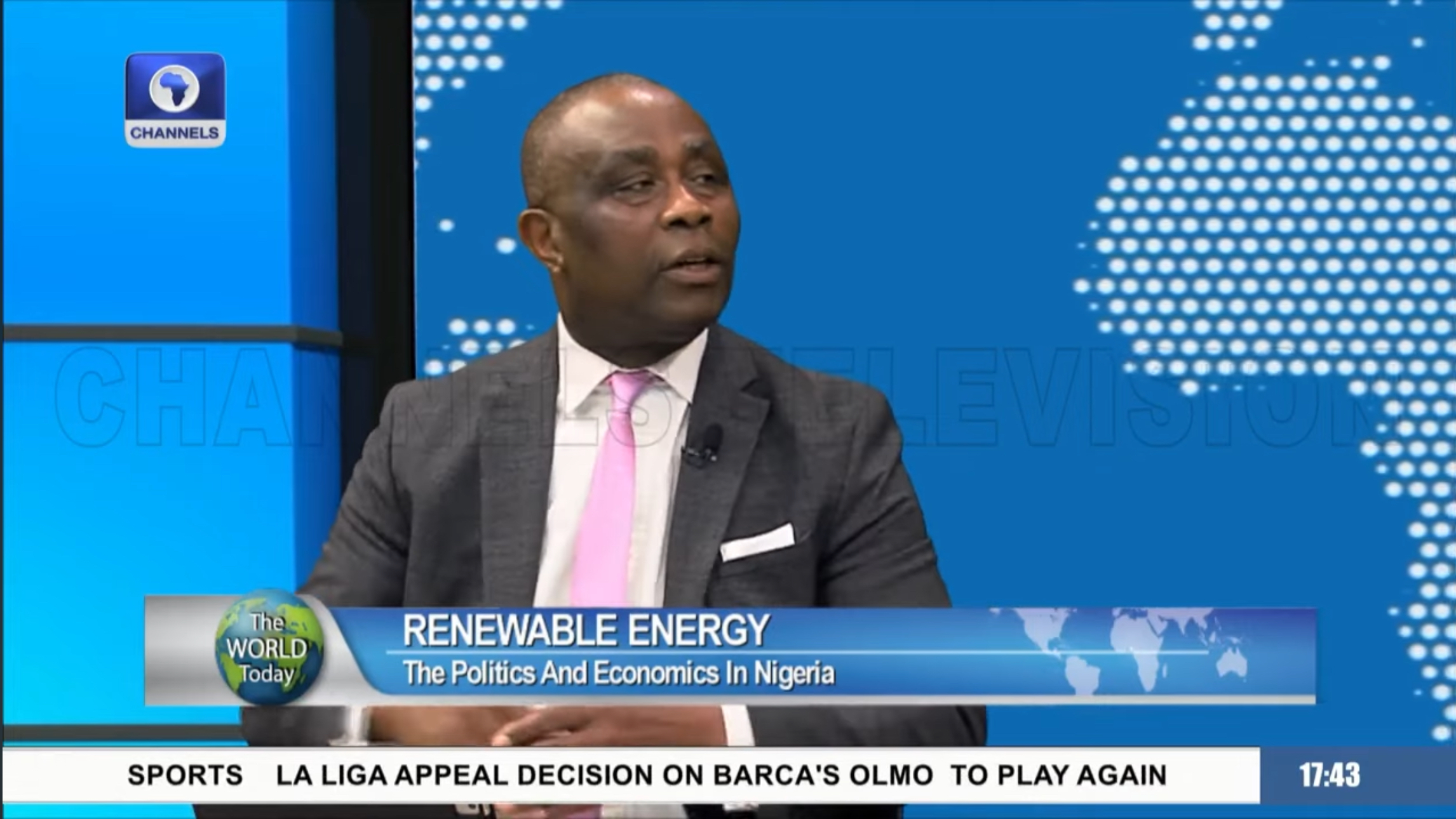
The Politics and Economics of Renewable Energy for Nigeria

During my tenure in a Green political office, I faced a daunting energy policy delimma  concerning transition economies. It was about taking a firm position on an aggressive push for transition to renewable energy by emerging economies. Seen as a pathway to a sustainable and resilient future, my party is non compromising on making fossil fuels a thing of the past. I recall a challenging debate at the African Carebbean and Pacific (ACP) secretariat during my bid for a seat in the European Parliament. A co-debater representing the business-leaning Belgian Liberals made an impassionate case for nuclear power as the new godsend for global energy security. When he was done, the skilful moderator turned to me and in a well calculated tone, she went: Honourable Nweke, you want no nuclear power stations, you are reported to hold the private view that attempts to get Africa to join the clean energy transition is harassment. What exactly do you want?

For a split second, I was frozen. However, I quickly gathered my thoughts. I then made a start “As Greens, we…” to which the lady promptly interjected “Not  the Greens Honourable Nweke. The question is What Do YOU Want?” I then made a second attempt. Very well then. Let me correct one misconception: I see the transition to renewable energy as both necessary and urgent in addressing the global climate crisis. However, I also recognize that an abrupt shift away from fossil fuels, without a just and inclusive strategy, risks causing economic dislocation for many African nations whose economies remain heavily dependent on oil revenues. We need a pragmatic approach. A strategy rooted in accelerating clean energy adoption while investing in economic diversification, workforce retraining, and equitable development to ensure no one is left behind in the transition.

I stood by that position. When I argue that oil is not a dead commodity for Africa, I do not mince words. However, we are at an interregnum where emerging economies like my native Nigeria need to equally be told the inconvenient truth about the politics and economics of renewable energy. This involves a complex interplay of domestic policy, foreign relations, market forces, and structural challenges. This is more so especially when viewed through the lens of international trade and bilateralism. Overreliance on Oil export is a major issue. Nigeria’s economy remains heavily dependent on crude oil. Now is the ideal time to argue  that investing in renewable energy  will diversify energy sources and reduce vulnerability to global oil price shocks. Linked to that is import dependence as the country imports most of its refined petroleum products. Renewables will urgently help reduce this dependency culture.

Nigeria is facing one of its worst power shortages, with the national grid collapsing and leaving many homes and businesses without power. This makes Nigeria one of the world’s most vulnerable countries in terms of energy. There are a number of alternate energy sources that Nigeria can begin immediately to adopt from Europe, even from little brave Belgium. The problem with energy security in Nigeria is well known and well documented and therefore needs no further analysis. So, focusing on the solutions should be the reasonable thing to do.  Talking of solutions, the first thing that comes to mind is the abundant sunlight year-round, that Nigeria is blessed with. Nigeria has an average solar radiation of 5.5 kWh/m²/day, which is significantly higher than Belgium’s 2.8 kWh/m²/day. This makes solar power a highly viable option for Nigeria. The fact that Rural Electrification Agency (REA) solar mini grids exist in Nigeria tells us that there is at least a sense that Nigeria knows what to do. REA as initiative needs scaling up. 

Wind Energy potential is moderate in most regions, but areas like Sokoto, Kano, and Jos have significant wind resources. I guess the combination of onshore and offshore installations in Belgian wind energy infrastructure offers valuable lessons for Nigeria. Small to medium wind farms and hybrid energy systems could help Nigeria in combining solar and wind. 

I am tempted not to overlook the potentials in hydropower for Nigeria with its vast water resources. There’s abundance of large and small rivers. While large hydropower projects are operational for instance the Kainji Dam, I have not stopped dreaming of small-scale hydropower in my Igbuzo hometown, in the Okpuzu and Atakpo rivers where I went swimming as a child. Numerous such rural river resources are scattered across the length and breadth of the country and can boost off-grid energy access. In other words, mini- and micro-hydropower plants for remote areas harbour unexplored energy potentials for Nigeria. 

Biomass and Biogas is an option too. Nigeria generates a significant amount of agricultural and local waste that can be converted into energy. Farm residues, animal waste, and urban waste could be used for power generation and cooking gas. This is one viable way to address energy needs in rural areas and reduce environmental pollution. Of course I’m not losing sight of the strategic investments, supportive policies, and commitment to sustainable practices that is required here. Out here in Belgium, we have done so much since 2009 in integrating biomass and biogas in our energy mix, but it is not yet uhuru because of the challenges involved. It won’t be different for Nigeria.

On energy mix, would not play down any potential for achieving an energy mix for Nigeria no matter how small it is. With the few volcanic and hot spring regions in Nigeria, I will not exclude the potential for Geothermal Energy. In this regard, I think of Jos, Biu, and Mambilla Plateaux. Just as I believe that some hot springs from the Southwest to the far North, have great potentials. I recall with melancholy, geography lessons even in Umejei Primary School and later in St. Thomas’s College where we got acquainted with Ikogosi Warm Spring, Ruwan Zafi Hot Spring, Wikki Warm Spring in Yankari National Park, and Akiti Warm Spring, I believe in present day Nasarawa State. With enough will, Nigeria can easily surpass Belgium in small-scale geothermal systems for localized heating and electricity. I’m sure Belgium will readily transfer skills and knowledge and technology in this area if Nigeria asks nicely because there are also business potentials in it. Belgium is open for business.

Renewable energy as a clean energy source that is climate friendly is quite sustainable. Many countries are dependent on it but in Nigeria it is a different ball game on account of several limitations that impede on its development. When Nigeria becomes the subject of harassment, if I may borrow from the merciless debate moderator, less questions are being asked about how these challenges could be addressed. What international trade opportunities exist?

First and foremost, we must look at Nigerian Government Policy and Investment. The secured private sector participation must be encouraged through intentional public policies and legislative frameworks. Public-private partnership (PPPs) arrangements could be sealed to bridge finance gaps for renewable energy projects. Government must show openness in inviting international partners to the space as part of Nigeria’s intentional foreign policy. The 5D Renewed Foreign Policy mantra of current administration made provisions for this in the pillar around Development & Diaspora. The Diaspora has a role cut out here for them as a number of them are in the renewable energy space. Global Green Investment trends offer good lessons on how international investors are shifting toward green energy projects. Nigeria could attract Foreign Direct Investment (FDI) into its renewable sector if it ensures policy stability and attractive returns. Collaborations with countries like Belgium, Germany, or Denmark, and even China, could bring in advanced renewable technology, especially solar and wind, if the table is organised through sound public policies.

Nigeria–Belgium Collaboration Opportunities in Renewable Energy

Belgium and Nigeria have complementary strengths that position them for mutually beneficial cooperation in renewable energy. There are strategic areas for business-to-business (B2B), government-to-government (G2G), and business to government (B2G) collaboration in infrastructure development as well as research and development.

Infrastructure Development

Ample Business-to-Business (B2B) opportunities exist in Solar Mini-Grids & Off-Grid Electrification where there can be collaboration between Belgian firms like 3E, GreenPulse and Nigerian developers to scale off-grid solar power for rural communities. There is also the Waste-to-Energy Solutions. In Belgian technology providers, VYNCKE, Nigeria does have a partner. There are indications that Nigerian agro-industrial firms could partner here to convert biomass into renewable energy. Nigeria needs not reinvent the wheels in Smart Port & Logistics Infrastructure when in more ways than one, Belgium’s Port of Antwerp-Bruges have shown readiness to provide the  expertise needed to help green Nigerian ports. The Lagos Port could take advantage of this opportunity should they be serious about reducing carbon emissions in maritime logistics.

There is also Government-to-Government (G2G) opportunities to explore. There can be cooperation through EU–Nigeria Green Deal initiatives for infrastructure financing and technical support under Bilateral Green Transition Framework. This is independent of development and cooperation through Enabel, Belgium’s development agency. Again their willingness and ability to fund renewable energy infrastructure in public health and education institutions in Nigeria is no hidden agenda.

Research & Development (Education & Awareness)

Just like in infrastructure development, Business-to-Business (B2B) opportunities are there to exploit for instance in Green Skills Training. Private training providers can play a role in this space. Belgian vocational institutions like Syntra Vlaanderen can co-develop technical certification programmes with Nigerian polytechnics for solar and wind technicians, to leave it at just one example. Belgian and Nigerian media firms could initiate joint public awareness campaigns to co-produce for instance educational content on renewable energy and climate literacy.

Under Government-to-Government (G2G), public universities could seal University Research Partnerships. Joint academic programs between Katholiek Universiteit Leuven, Ghent University, and Universities of Lagos and Port Harcourt,  comes to mind in the domain of clean energy innovation. There can also be curriculum development support with Belgium, given its databank of knowledge acquired over the years. This could provide support in the integration of renewable energy and sustainability into Nigeria’s national curriculum.

Nigeria and the rest of the renewable energy world

There is the dimension of geopolitics of energy that Nigeria needs to watch in terms of the evolving oil diplomacy versus Green diplomacy. As the world shifts toward renewables, Nigeria’s oil-based diplomatic leverage will wane. Here it is not a matter of if, but that of when it will wane. Embracing renewables could open new partnerships in climate finance from the EU, US, or UN. As signatory to the Paris Agreement, Nigeria will be under global pressure to honour its climate commitments. It is hard to admit but Nigeria’s renewable energy policies are influenced by international expectations and access to climate funding like the Green Climate Fund. Only time will tell if these are in Nigeria’s National and security interests.

As many international investors are shifting toward green energy projects, Nigeria could attract FDI into its renewable sector if it ensures policy stability and attractive returns. Nigeria needs smart tariff policies to support local industry without discouraging investment realising that import duties on solar panels or wind turbines can either stimulate or stifle renewable adoption. With the right policies in place and given the current appetite for inter-Africa trade, Nigeria could become a regional hub for solar panel assembly or biomass fuel if it builds capacity and leverages trade agreements like AfCFTA.

END

The author, Collins Nweke is a former Green Councillor at Ostend City Council, Belgium, where he served three consecutive terms until December 2024. He is a Fellow of both the Chartered Institute of Public Management of Nigeria and the Institute of Management Consultants. He is also a Distinguished Fellow of the International Association of Research Scholars and Administrators, where he serves on its Governing Council. He writes from Brussels, Belgium.

LinkedIn: @collinsnweke | X: @collinsnweke | E: admin@collinsnweke.eu | W: www.collinsnweke.eu