
A Fiscal Reset for Nigeria That Depends on Trust

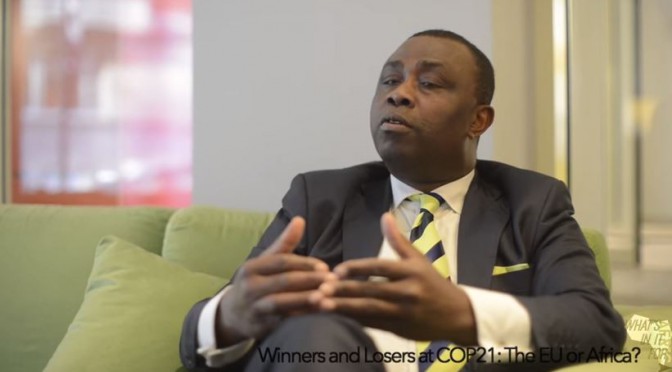
Op-Ed by Collins Nweke

Nigeria’s tax overhaul is less a revenue exercise than a credibility test. It is one that will shape investor confidence, citizen buy-in, and the country’s reform reputation in the face of the world for years to come.

by Collins Nweke

Today, 1 January 2026, marks more than the start of a new year for Nigeria. It is the dawn of a new fiscal era, as the country’s ambitious tax law comes into force. The timing of this piece is deliberate: it coincides with a moment of profound national significance and symbolism. In the months since the law was announced, Nigeria has witnessed spirited debates, rigorous analyses including my op-ed on Proshare titled: Tax Ombud for Nigeria: Navigating a Promising Reform in a Distrustful Context on the role of the tax ombudsman, and passionate protests, all underscoring the gravity of the changes at hand. Yet, despite the turbulence, the government has pressed ahead, undeterred and unwavering in its resolve. Against this backdrop, my purpose is not to add to the noise, but to offer a sober reflection and an objective assessment of what will ultimately determine whether this reform succeeds or falters. For Nigeria, the true test is not simply about raising revenue, but about building credibility, at home and abroad, through the choices made from this day forward.

Operating in the intersection of international trade consultancy and Diaspora thoughts leadership for a couple of decades now, feels like a long-standing bridge between Nigeria and global capital. In such vantage position, I have learnt one enduring lesson: investors do not fear reform, they fear uncertainty. Nigeria’s new tax framework should therefore not be viewed as a risk by default, instead of the test that it is. A test of credibility, sequencing, and Nigeria’s capacity to translate reform intent into institutional reliability.

The Federal Government of Nigeria has framed the overhaul as a decisive pivot. It is a route away from oil dependency and toward domestic resource mobilisation; away from over-taxing a narrow formal sector and toward a broader, fairer base. For international investors, this narrative is familiar. What will distinguish Nigeria is not ambition, but execution.

What Investors Should Watch Most Closely

Speaking daily with investors who want to engage Nigeria but remain cautious, I can say this plainly: capital wants Nigeria to succeed. The market size, entrepreneurial energy, and strategic relevance are undeniable. But goodwill is not infinite. Nigeria has a duty, indeed an obligation, to make this reform work. Not only for revenue, but for reputation. If successful, it will reposition Nigeria as a serious reform economy, one that converts policy ambition into institutional trust. Not allowing it falter means paying attention to a few key factors:

Predictability over perfection: Tax rates can be modelled; volatility cannot. The clearest signal Nigeria can send to markets is that rules will not shift abruptly, retroactively, or selectively. Consistency in application matters more than marginal adjustments in rates. Credible reform is reform that businesses can plan around.

Balanced enforcement: A sound tax system expands compliance without penalising those already compliant. Investors will watch closely whether enforcement finally tackles elite non-compliance, leakages, and rent-seeking, rather than defaulting—yet again—to squeezing formal businesses because they are easiest to reach. Reform that punishes compliance undermines confidence.

Transparency in the use of revenues: Taxation is not merely a fiscal instrument; it is the backbone of the social contract. Investors, like citizens, want evidence that revenues translate into infrastructure, healthcare, education, and logistics that reduce the cost of doing business. Transparent reporting, independent audits, and visible outcomes are not political luxuries. These are investment fundamentals.

Sub-national readiness: Nigeria’s federal structure means national reform is only as strong as State level and local government implementation. Fragmented administration, multiple levies, and uneven capacity remain among the greatest deterrents to investment. Harmonisation, digital integration, and clarity across jurisdictions will therefore be critical tests of seriousness.

Sequencing and sensitivity: Reform during economic strain may be unavoidable, but its success depends on timing and tone. Phased implementation, clear thresholds, and protection for small enterprises would signal that Nigeria understands the difference between taxing productivity and suffocating survival.

Opposition, Dissent, and Democratic Legitimacy

It is important to recognise, and commend, the voices of trade unions, opposition parties, and civil society organisations that have raised concerns about the reform. They are not obstacles to progress, but essential actors in a functioning democracy, exercising a legitimate right to scrutinise state power and defend vulnerable groups. History shows that reforms imposed without consultation rarely endure. Government has a responsibility to engage dissent with respect, transparency, and good faith. From my position as an independent assessor, supporting investors to make informed decisions rather than defending any administration, robust opposition is not a weakness. Properly engaged, it strengthens legitimacy and improves policy outcomes.

Why This Reform Must Be a Win-Win

Engaging daily with investors eager to enter Nigeria yet wary of policy risk, one reality that shouts loud is that most investors want Nigeria to succeed. They realise that this, in the first instance is good for them. But it is also good for Nigeria. The reverse will reinforce a damaging narrative: that reform in Nigeria remains episodic rather than systemic. This moment therefore demands more than legislation. It calls for leadership that listens, institutions that deliver, and a country that treats citizens and investors not as extraction targets, but as partners in national renewal.

Tax reform is not the destination. Credibility is. And credibility, once earned, delivers the highest return of all.

Economic Diplomacy & the Diaspora

I was delighted to have made a presentation at a Multi-sectoral Stakeholders Economic Investment Summit organised bySME Secretariat and hosted at the Lagos Chamber of Commerce, Victoria Island, Lagos Nigeria on Monday 21 January 2019
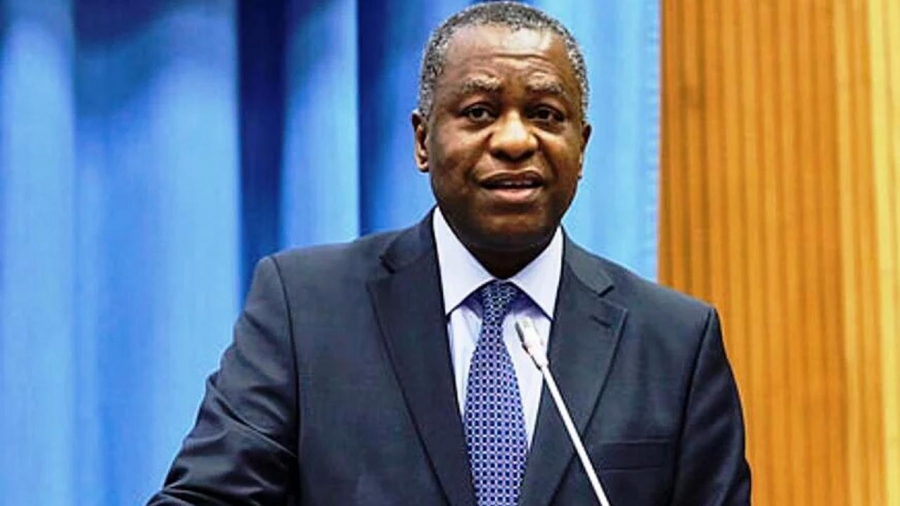
Jeffrey Onyeama Minister of Foreign Affairs of Nigeria

I used the opportunity to review the Nigerian Economic Diplomacy Initiative (NEDI) of the Ministry of Foreign Affairs of Nigeria under President Muhammadu Buhari. After a general refresher of what NEDI is all about, I dropped the following conclusions on this policy initiative:

  • NEDI is a strategically important policy tool with huge potentials to make a structural difference in economic regeneration of Nigeria with focus on non-oil sector
  • NEDI made a good start but has clearly not lived up to its biddings. It has failed rather woefully in showing evidence that it has made a convincing start in delivering on the important task of enhancing inter-agency collaborations
  • There is no visible effort on the part of NEDI to genuinely engage the Diaspora in a result-oriented way
  • Unless there is a change of course, NEDI is marked to fail!

I wrapped up with these sets of recommendations:

  • Foreign trade component should be introduced into the operations of all Ministries, Departments & Agencies (MDAs)
  • A NEDI Attaché should have a sitting in all major Missions of Nigeria worldwide where possible or the role unambiguously integrated into the duties of all diplomats charged with economic affairs
  • A formal working relationship should be initiated with Nigerians in Diaspora Organisation (NIDO) worldwide to enhance professional Diaspora mobilization
  • Clear targets should be set for inward investment flows as aconsequence of NEDI activities

Access to the integral PowerPoint Presentation on Economic Diplomacy & the Diaspora is possible:https://1drv.ms/p/s!AuyRKnHzz067wRMWQFFnd28yiaXL